Chastity Device Safety: The Complete Guide
The safest way to use a chastity device is to get the size right, test it unlocked, build wear time slowly, clean it daily, and always keep a fast way to remove it. This Lockd guide pulls every safety step into one page, with a link to the detailed guide for each.
Fit
Measure flaccid; snug, never pinching or numb.
Material
Start light and body-safe before moving to steel.
Wear time
Build up in small, comfortable steps.
Hygiene
Rinse daily, dry fully, deep clean weekly.
Escape plan
Keep a spare key within reach, always.
Stop rule
Numbness, colour change or swelling? Off now.
Most chastity problems are not caused by chastity itself. They come from a device that does not fit, a wear schedule that moved too fast, or a lock with no backup plan. Lockd built this hub so every safety question has a direct answer in one place, with a link to the full guide whenever you want more depth.
1. Get the fit right
A safe chastity cage is sized from flaccid measurements and feels snug but never tight: no pinching, no numbness and no colour change.
You need three numbers: flaccid length, the circumference where the base ring sits (behind the testicles), and the shaft width. Measure when relaxed, on more than one day if you can. The base ring matters most. Too tight and it can restrict circulation; too loose and the cage pulls forward, rubs, or slips off. The cage itself should match your flaccid length or run slightly shorter, never longer, which causes chafing and pulling.
If you fall between two sizes, choose the more forgiving one. A cage you can wear comfortably is safer than one that looks stricter.
Step-by-step method: chastity cage measuring guide, or turn your numbers into a size with the chastity cage size calculator.
2. Choose a body-safe material
For a first device, lightweight body-safe silicone or plastic is the safest place to start; stainless steel is better once you know your exact size.
Lighter materials are more forgiving while you learn how your body reacts, and they are easier to sleep in. Steel is durable and easy to sterilise, but it is heavier and less forgiving of a poor fit. Whatever you choose, check before the first wear: smooth seams, no sharp edges, no cracks, and a lock that opens easily.
| Material | Safety strengths | Watch out for |
|---|---|---|
| Silicone | Soft, light and forgiving while you learn your size | Less rigid; never use silicone-based lube on it |
| Plastic / resin | Light, rigid and comfortable for longer daytime wear | Inspect for cracks or rough spots over time |
| Stainless steel | Very durable, non-porous and easy to sterilise | Heavier, colder, and needs precise sizing |
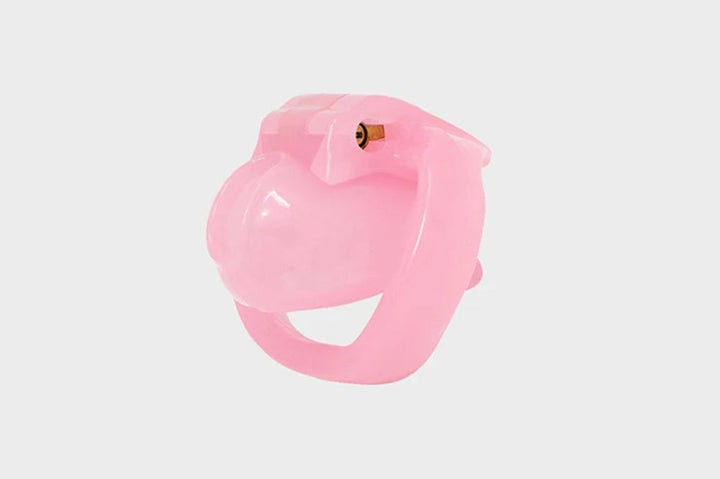
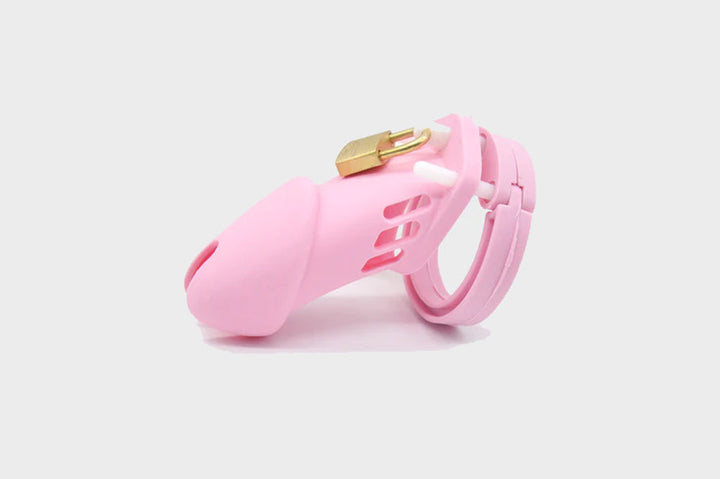
In the Lockd range, the Lockd Cobra Standard ($49.99) is a lightweight plastic cage, and the CB6000 Silicone Chastity Cage ($34.99) ships with five ring sizes, which makes it easier to find a safe base ring fit first time. Avoid unbranded marketplace listings that do not state the material: rough moulding and inconsistent sizing are exactly what causes rubbing and pinching.
Sensitive skin or metal allergies: skin-safe chastity cage materials. First-time picks: best chastity cages for beginners.
3. Run a trial session first
Before you lock anything, wear the cage unlocked for a short session to check for rubbing, pinching and pressure points.
Take the device apart and reassemble it, and check that the lock turns smoothly. Then fit it unlocked and move normally: walk, sit, bend, climb stairs and use the toilet. After removal, look at your skin. Light marks that fade quickly are normal; marks that linger, or any broken skin, mean the fit needs changing.
Fitting technique: how to put on a chastity cage. What the first day usually feels like: first 24 hours in a chastity cage.
4. Build up wear time slowly
Increase wear time in small steps, and only move to the next step after a session that was comfortable from start to finish.
Unlocked trial
Short daytime session, under an hour.
Move on when: no rubbing, pinching or lingering marks.
Short locked sessions
2 to 6 hours during the day, key close by.
Move on when: several comfortable sessions in a row.
Full days
Daytime wear through normal routines, including light exercise.
Move on when: skin looks normal after every removal.
Overnight
First night with an easy removal plan.
Move on when: nights are comfortable, not just bearable.
Multi-day
Longer lockups with daily checks and cleaning.
Ongoing: reassess fit regularly.
There is no universal safe maximum. Safety depends on fit, material, hygiene and how your body responds, not on the number of days. Step back a stage any time something feels wrong.
Common fears about extended wear, answered: long-term chastity safety myths.
5. Keep it clean
Rinse and wash the cage and skin daily with mild unscented soap and warm water, dry thoroughly, and give the device a full deep clean at least weekly.
Trapped moisture, sweat and urine cause most irritation and odour. Never use bleach, alcohol or abrasive scrubbers on the device, and use water-based lube on contact points if friction is a problem.
Full routines: chastity hygiene practices and how to clean and maintain a chastity cage.
6. Emergency removal and spare keys
Always have a fast way out: a spare key the wearer can reach in an emergency, even when a keyholder is in charge.
-
Keep a spare key reachable.Somewhere you can get to quickly, such as a sealed envelope or a lockbox.
-
Safety scissors for plastic locks.Numbered tags can then be cut in seconds.
-
Test before a long lockup.Check the lock and keys work smoothly and are not bent or worn.
-
Never use power tools near skin.If a metal lock will not open, a locksmith or an emergency department can remove it safely.
Step-by-step help: chastity cage won't unlock or lost key.
7. Sleeping in a cage
Sleeping in a cage is usually fine once the fit is proven in daytime wear, but overnight wear should come last, not first.
Night-time erections are normal and will press against the cage, which can wake you during the first nights. Lighter devices are easier overnight, and many people find side sleeping with knees slightly bent more comfortable. Pressure that fades is expected. Pain that does not fade, or any numbness, means taking the cage off and rechecking the fit.
Positions and fixes: how to sleep in a chastity cage.
8. Warning signs: when to take it off
Remove the device straight away if you notice numbness, tingling, coldness, skin colour changes, sharp pain, increasing swelling or broken skin.
Stop and remove the device if you notice:
- Numbness, tingling or skin that feels cold
- Dark red, purple, blue, grey or pale skin
- Sharp or severe pain that does not ease
- Swelling that is getting worse
- Pinching, broken skin, blisters or bleeding
- Burning when urinating, discharge or a strong odour
Discomfort is information, not something to push through. Ring marks that do not fade usually point to a sizing problem.
Troubleshooting: chastity cage pinching or too tight.
9. When to get medical help
Get medical help urgently if numbness, discolouration, severe pain or swelling does not improve quickly after removal, or if the device will not come off.
Go to an emergency department, or call your local emergency number, if:
- The device will not come off and swelling or pain is building
- Skin stays discoloured, cold or numb after the device is removed
- You have severe pain in the penis or testicles
- You cannot urinate, or urinating is very difficult
See a doctor soon if you have a fever, spreading redness, discharge, or sores that do not heal. Medical staff deal with situations like this, and being open about the device helps them treat you faster.
10. After the cage comes off
After removal, wash and dry the area, check your skin, and give it time to recover before locking again.
Light ring marks should fade within a short time. Redness, rubbing or soreness that lingers means resting longer before the next session. Aftercare also covers the emotional side of ending a lockup.
Full guide: chastity aftercare.
11. Chastity safety checklist
Run through this checklist before every new device, and before every longer lockup.
-
Measured flaccid, more than onceCorrect size prevents most problems.
-
Unlocked trial completedShows fit issues before you are locked in.
-
Spare key or removal method within reachMakes emergencies quick to solve.
-
Wear time increased in small stepsGives skin time to adapt.
-
Warning signs agreed with your partnerAnyone can call a stop.
For the most common ways a lockup goes wrong, see chastity cage mistakes to avoid.
Frequently asked questions
What is the safest way to use a chastity device?
Choose a cage sized from flaccid measurements, test it unlocked first, build wear time in small steps, clean it daily, and always keep a spare key or removal method within reach. Remove it straight away for numbness, discolouration, severe pain or swelling.
How long can you safely wear a chastity cage?
There is no universal maximum. Beginners should start with short daytime sessions and only increase wear time after a comfortable session. Longer wear depends on a proven fit, daily cleaning and regular skin checks.
How tight should a chastity cage be?
Snug enough to stay in place, but never tight enough to pinch, cause numbness, leave marks that do not fade, or change skin colour. If you are between sizes, choose the more forgiving one.
Is it safe to sleep in a chastity cage?
Usually yes, once the fit is proven in daytime wear. Night-time erections will press against the cage, which is normal. Remove the cage if pain does not fade or you notice numbness.
What should I do if my chastity cage won't come off?
Stay calm, use the spare key or cut a plastic lock tag with safety scissors. Never use power tools near skin. If a metal lock will not open, or swelling is building, go to an emergency department.
Which chastity cage material is safest for beginners?
Lightweight body-safe silicone or plastic is the most forgiving starting point. Stainless steel is durable and easy to sterilise but heavier and less forgiving of a poor fit, so it suits people who already know their size.
Start safely with Lockd
Every safe lockup starts with the right size. Lockd's beginner range focuses on lightweight, forgiving cages, so your first experience is about the dynamic, not discomfort.
Shop beginner chastity cages Find your cage size
About the Author — Shoana Miller, Lockd Editorial Team
Shoana Miller is a certified sex educator and BDSM lifestyle coach with over 10 years of experience in sexual wellness and intimate product reviews. Holding a Master's in Human Sexuality, she has contributed to leading publications on chastity play, power dynamics, and relationship enhancement. Follow her on LinkedIn.