How to Clean and Maintain Your Chastity Cage
Why chastity cage care matters
Hygiene is the question the Lockd team fields more than any other, and it is the one that decides whether someone sticks with chastity or quietly gives up on it.
A chastity device is not a toy you use for twenty minutes and put away. It sits against some of the most sensitive skin on your body for hours, days, or weeks at a time, in a warm environment with limited airflow. That makes hygiene a safety issue rather than a housekeeping one.
Done properly, a cleaning routine prevents the three problems that end most people's chastity practice early: skin irritation, odour, and bacterial or fungal infection. It also protects the device itself, which matters more than people expect, since the wrong cleaning method can destroy a silicone or resin cage in a single wash.
Your cleaning schedule at a glance
This is the routine Lockd recommends to anyone wearing a cage day to day. It is deliberately simple, because a routine you actually follow beats a thorough one you skip.
| How often | What to do | Roughly how long |
|---|---|---|
| Every day | Shower with the cage on. Flush warm water through the cage and under the base ring, lather with mild soap, rinse thoroughly, dry completely. | 3 to 5 minutes |
| Every week | Remove the device. Disassemble, scrub every crevice, clean and inspect the skin underneath, dry fully before reassembly. | 15 to 20 minutes |
| Every month | Inspect for wear: cracks, tears, tackiness, corrosion, a lock that sticks. Polish steel if needed. Check the fit still feels right. | 5 minutes |
| Immediately | Remove and clean if you notice pain, numbness, discolouration, swelling, or any break in the skin. | Do not wait |
Daily hygiene: cleaning while locked
Most of your cleaning happens with the cage still on, and this is the part of the routine Lockd customers tell us makes long term wear sustainable.
- Use a pressure shower head or bidet. A focused stream of warm water is the single most useful tool you have. Angle it under the base ring and through the bars or vents to dislodge trapped skin cells, urine and soap residue.
- Lather gently. A mild, fragrance free soap or a dedicated intimate wash is ideal. Use your fingers or a soft cloth around the ring and cage. Avoid scrub brushes and anything abrasive, especially on silicone or resin.
- Rinse more than you think you need to. Trapped soap is a bigger irritant than the dirt you were removing. Flush until the water runs clear of suds.
- Dry completely. Pat dry, then air dry before dressing. A hairdryer on a low, cool setting held well back can help, but never use heat on a steel cage, which conducts far faster than you expect.
- Reduce friction. A light dusting of cornstarch, never talcum powder, at the contact points under the ring helps with chafing and moisture.
Weekly deep clean and disassembly
Daily rinsing keeps things manageable, but it does not reach everywhere. Once a week, take the device off completely.
- Disassemble fully. Separate the cage, ring, spacers, pins and lock. Check the manufacturer instructions first if your lock is electronic.
- Soak briefly. Ten to fifteen minutes in warm water with a few drops of mild liquid soap. For steel, a splash of white vinegar helps lift hard water spots.
- Scrub the crevices. A soft toothbrush or cotton buds for the vent holes, threads, and the joint where the ring meets the cage. This is where buildup actually collects.
- Sterilise steel only. Solid steel can be boiled for one to three minutes. Never boil silicone, resin, or anything containing plastic or electronics.
- Clean and inspect the skin. This is the part most guides skip. Wash normally, then look for redness, chafing, or any break in the skin before you re-cage.
- Dry everything meticulously before reassembly. Moisture trapped inside a reassembled cage is how odour problems start.
Steel, silicone and resin: what changes
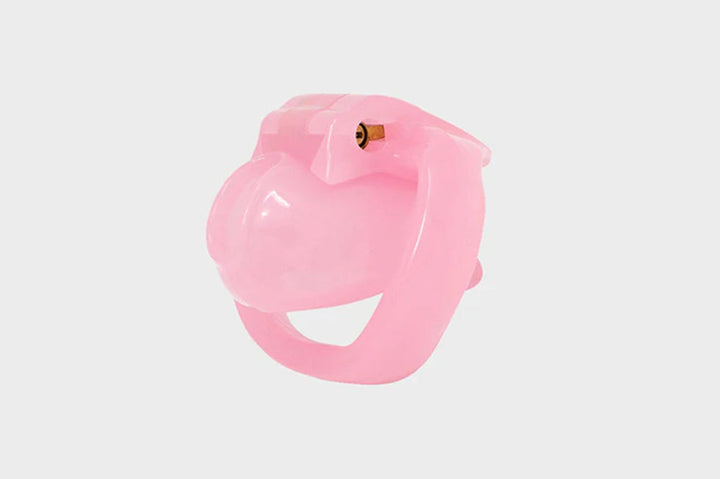
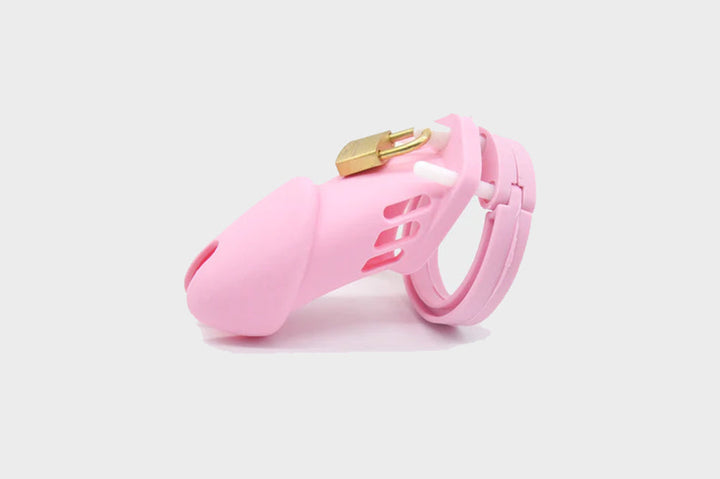
Most cleaning advice online assumes a steel cage. If you wear silicone or resin, following it will damage your device. Lockd stocks cages in all three materials, so here is what actually differs between them.
| Stainless steel | Silicone | Resin (Holy Trainer style) | |
|---|---|---|---|
| Everyday cleaning | Mild soap and warm water. Open bar designs rinse easily. | Mild soap and warm water only. | Mild soap and warm water. Solid body needs more flushing. |
| Sterilising | Boiling is safe for one to three minutes. | Never boil. A UV sanitiser made for sex toys is the safe option. | Never boil. Heat warps and clouds resin permanently. |
| Drying | Critical. Even good stainless will spot or corrode if left damp. | Pat dry and air dry fully. Traps moisture more than steel. | Pat dry and air dry fully. The enclosed body holds water. |
| Maintenance | Non abrasive metal polish restores shine. Dry graphite for a sticky lock, never oil. | Nothing needed beyond cleaning. Replace when it turns tacky. | Nothing needed. Avoid anything that could scratch the surface. |
| Main risk | Corrosion from trapped moisture. | Chemical breakdown from the wrong lubricant or cleaner. | Heat damage and surface scratching. |
What you must never use
There is a lot of confident, wrong advice about this online, including guides that recommend spraying a cage with household bleach. Lockd would rather correct it than repeat it. Here is what to keep away from your device and your skin.
- Rubbing alcohol and antibacterial wipes. Degrades the finish on metal and breaks down silicone and resin, leaving them tacky.
- Boiling water on anything but solid steel. Warps resin, damages silicone, destroys electronics.
- Abrasive scourers or scrub brushes. Scratches create microscopic grooves that hold bacteria, which is the opposite of what you were trying to achieve.
- Oil based products, including petroleum jelly. They trap bacteria against the skin and are difficult to remove from an enclosed cage.
- Silicone based lubricant on a silicone cage. It dissolves the surface of the device over time.
- Talcum powder. Use cornstarch instead at friction points.
Choosing a safe lubricant
| Lubricant type | Steel | Silicone | Resin | Why |
|---|---|---|---|---|
| Water based | Safe | Safe | Safe | The only type that is safe across all three materials, and the easiest to rinse away. |
| Silicone based | Safe | Avoid | Use caution | Bonds with and degrades silicone. Fine on metal, but not worth the risk if you own more than one cage. |
| Oil based | Avoid | Avoid | Avoid | Traps bacteria against the skin and is hard to flush out of an enclosed device. |
If you only buy one thing, buy a good water based lubricant. It is safe with every Lockd cage and removes the guesswork entirely.
Back to top ↑Warning signs and when to see a doctor
Good hygiene prevents most problems. Knowing what a real problem looks like handles the rest.
Remove the device immediately if you notice any of the following:
- Numbness, tingling, or loss of sensation
- Skin that looks pale, blue, purple or unusually dark
- Swelling that does not settle once the cage is off
- Sharp or worsening pain, as opposed to ordinary adjustment discomfort
- Any break in the skin, open sore, or bleeding
See a doctor if you have a discharge or a persistent bad odour that cleaning does not resolve, a rash that spreads or does not improve within a couple of days, pain when urinating, a sore that is not healing, or any swelling and redness accompanied by fever. Difficulty urinating, or an inability to remove the device when something is wrong, is an urgent problem and worth an emergency department visit rather than a wait and see approach.
There is nothing unusual about this from a doctor's perspective. Genital skin problems are routine medical territory, and being straightforward about what you wear will get you treated faster.
Storing your cage
- Cool, dry and dark. Store clean, fully dry and ideally disassembled.
- Keep materials apart. Silicone reacts with other silicone and with some plastics, leaving both surfaces sticky. Store each device in its own pouch.
- Inspect as you put it away. The moment you have it in your hands is the easiest time to spot a hairline crack or a lock beginning to stick.
When to replace your device
- Steel: visible corrosion, stress fractures, or a lock that consistently sticks or fails.
- Silicone: a tacky or permanently soft surface, small tears, or an odour that survives a proper clean.
- Resin: cracks, clouding, deep scratches, or any deformation from heat.
Frequently asked questions
How often should I clean my chastity cage?
Clean the cage and the skin underneath it daily in the shower without removing it, and do a full removal and deep clean at least once a week. If you exercise heavily or sweat a lot, clean more often rather than less.
Can I clean my chastity cage without taking it off?
Yes, and most of your cleaning should happen this way. A pressure shower head or bidet aimed under the base ring and through the cage, followed by mild soap and a thorough rinse, handles daily hygiene. You still need a full removal weekly to reach the areas water cannot.
Can I use bleach to clean a chastity cage?
No. Bleach is corrosive, difficult to rinse fully out of vent holes and threads, and any residue sits directly against genital skin. It can also pit and discolour metal. Warm water and a mild, fragrance free soap is all that is required.
Can I use rubbing alcohol to sterilise my cage?
No. Alcohol and antibacterial wipes degrade the finish on metal and break down silicone and resin, leaving them tacky and unsafe. For steel, boiling for one to three minutes is the safe sterilising method. For silicone and resin, a UV sanitiser designed for sex toys is the alternative.
Can I boil a silicone or resin chastity cage?
No. Boiling is safe for solid stainless steel only. Heat warps and permanently clouds resin, damages silicone, and destroys any electronic locking mechanism.
What lubricant is safe with a chastity cage?
Water based lubricant is safe with steel, silicone and resin. Silicone based lubricant degrades silicone devices. Oil based products should be avoided entirely because they trap bacteria against the skin.
Can I share a chastity cage with a partner?
No. A chastity device should only ever be worn by one person. Sizing, hygiene and skin safety all make these highly personal items that should not be shared or swapped.
What should I do if the base ring is pinching or painful?
Remove the cage immediately. Pain, numbness, or discolouration indicates a sizing problem or incorrect application. Do not re-cage until you have rechecked your measurements and ring size.
Can I wear a metal chastity cage through airport security or in an MRI?
Never wear a metal cage during an MRI or similar scan, as it must be removed. Metal cages will trigger airport metal detectors. If you travel while locked, a silicone or resin device avoids the problem entirely.
The routine is the whole trick
None of this is complicated. A few minutes in the shower each day, twenty minutes once a week, and knowing which three things never to put near your device covers almost everything that goes wrong. That is the whole of what Lockd tells customers who write in worried they are doing it wrong.
Lockd stocks body safe cages in all three materials, and the right one for you depends partly on how much cleaning effort you want to sign up for. Open bar steel cages are the easiest to rinse while locked. Cobra resin cages are lightweight and low maintenance for long term wear. Silicone cages are the most forgiving on the skin but the least forgiving about what you clean them with.
If you are still choosing, our sizing guide is the place to start. Fit does more for comfort and hygiene than any cleaning routine can.
Back to top ↑This guide reflects what we have learned from eight years of customer questions, orders and feedback at Lockd. We have shipped chastity devices to more than 25,000 customers across the US and worldwide, and the questions we get asked most often are the ones we write about. If something here did not answer your question, contact our team directly.
This article is general guidance, not medical advice. If you have a persistent skin problem, pain, or signs of infection, speak to a doctor.