How to Choose the Right Chastity Cage Ring Size
TL;DR
- Measure your base circumference (around the penis and scrotum), then divide by 3.14 to get your ring diameter.
- Match that number to the nearest standard ring — 36, 40, 45, 50, or 55 mm.
- Between sizes? Start with the larger ring; you can always size down as you learn how your body reacts.
- A snug-but-comfortable ring is safest: no numbness, tingling, or discoloration.
If you’ve ever ordered a ring that looked right but left you walking funny for the rest of the day, you’re not alone — almost every long-term wearer has a "first wrong ring" story. The Lockd team have served up chastity cages to over 25,000 men worldwide across 8 years, and this guide saves you the trial and error.
Table of Contents
Haven’t measured yet? Start with our complete measuring guide to get your base circumference first, then come back here to convert it into your exact ring size.
Why Ring Size Matters
If the chastity cage is the star of the show, the base cock ring is the stage that holds everything together. Its job is simple: keep the device secure while allowing your body to function normally. But that simplicity is precisely what makes base ring sizing so crucial.
-
The Purpose of the Ring
The base ring anchors the entire device. Too big, and your cage shifts, tugs, and might even slip off. Too small, and you’re dealing with pinching, pressure, and the kind of discomfort that isn’t fun for anyone. -
Safety First
A proper ring sizing keeps your blood circulating correctly. A ring that’s too tight can cause numbness and discoloration—both signals to remove it immediately. Meanwhile, a ring that’s too loose can cause rubbing, slippage, or even skin irritation. -
The Psychology of a Good Fit
Ask any seasoned wearer and they’ll tell you: a well-fitted ring changes everything. It doesn’t just feel right physically—it deepens the psychological experience.
One Lockd customer once described it like this: “When the ring fits just right, my brain relaxes. It feels like my body and the device finally agree.”
That sense of stability is what makes long-term wear possible.
How to Measure Your Base Ring Size
Measuring for a chastity ring isn’t complicated, but it does require accuracy. Here’s the most reliable method of getting your ring size.
Step-by-Step Ring Sizing Method
- Take a soft measuring tape.
- Wrap it around the base, located between your penis and scrotum—this is the area where the ring will be positioned.
- Record your circumference measurement.
- Convert the circumference to diameter by dividing by 3.14 (π).
- Choose the closest ring size from the conversion chart below.
Common Sizing Mistakes
- Overconfidence with a tape measure: Soft measuring tapes sink into skin and can make you think you’re smaller than you are.
- Measuring while cold or warm: Temperature changes everything—measure your ring size when relaxed and at a normal room temperature.
- Pulling too tight: You’re not trying to shrink-wrap the area; it should be snug but natural.
Pro Tip: Want to avoid more than just sizing errors? Read our complete guide to the most common chastity cage mistakes — and how to avoid them.
Ring Size Conversion Chart
Use this ring size chart for quick mm ↔ inch conversions when figuring out your size. Share this table to help your partner choose the perfect-fitting base ring.
| Size | Millimeters | Inches |
|---|---|---|
| Small | 40 mm | 1.6″ |
| Medium | 45 mm | 1.75″ |
| Large | 50 mm | 2.0″ |
| XL | 55 mm | 2.25″ |
Base Circumference → Ring Size (Cheat Sheet)
Already measured your base circumference? Match it to the closest ring size below. If you land between two sizes, size up first for comfort and safety.
| Base Circumference (mm) | Base Circumference (inches) | Recommended Ring Size |
|---|---|---|
| 110–125 mm | 4.3–4.9″ | 36 mm (Extra Small) |
| 126–140 mm | 5.0–5.5″ | 40 mm (Small) |
| 141–155 mm | 5.6–6.1″ | 45 mm (Medium) |
| 156–170 mm | 6.2–6.7″ | 50 mm (Large) |
| 171–185 mm | 6.8–7.3″ | 55 mm (Extra Large) |
This table does the circumference ÷ 3.14 conversion for you and rounds to the nearest standard ring.
Types of Rings
Not all rings feel the same. Understanding the differences helps you choose the right fit—even if the diameter stays the same.
-
Standard Rings
Usually 8 mm thick and perfect for most wearers. They strike a balance between comfort and security. -
Curved Rings
These rings are specifically designed to alleviate pressure under the scrotum. Many love the comfort, but for people with smaller testicles, curved rings may increase slippage. -
Circular vs Arc Rings
- Circular rings feel traditional and evenly balanced.
- Arc rings provide a modern feel with reduced pressure points.
-
Material Differences
- Resin rings: Lightweight, hypoallergenic, and warm on the skin.
- Metal rings: Heavier, cooler, extremely durable, and give a more “locked-in” sensation.
Some wearers swear that switching materials entirely changed their long-term comfort level. To discover which material feels more comfortable for your needs, check out our comparison: Metal vs. Silicone Chastity Cages for 24/7 Wear.
Lockd Cobra Cage Rings
Our signature Cobra chastity cages are an absolute dream for sizing. Unlike most other chastity cages, they come with 4 different rings in the bag.
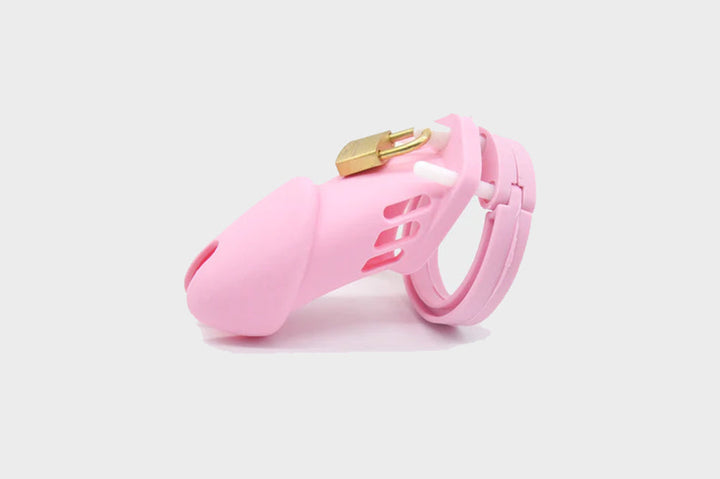
These ergonomically designed rings have a slightly curved shape that makes them extremely comfortable. The four sizes are 38mm, 43mm, 48mm and 52mm, giving you a wide range that roughly 90% of our customers will fit into.
Pro Tip: Because the Lockd Cobra cages come with a range of ring sizes in the box, they’re a particularly good cage to start with when you aren’t quite sure of your fit.
Lockd HT V4/V5 Cage Rings
The HT V4 and V5 cages are a very similar style with near-identical rings. Lockd is the only place you can get a V4 or V5 with all ring sizes in the bag, making them exceptional value and the best place to try a Holy Trainer chastity cage.
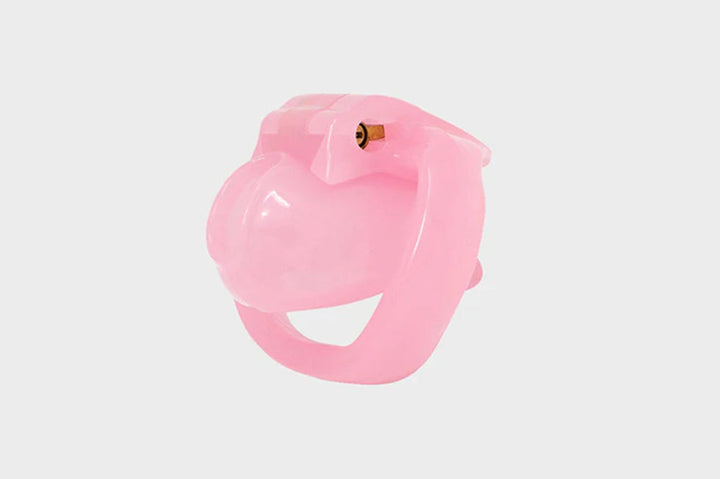
These rings are quite chunky, though the super-strong resin stays lightweight, giving the wearer a reassuring feeling of security. Both V4 and V5 rings are sized at 36mm, 40mm, 45mm and 50mm, with the only significant difference between them being the locking mechanism.
Pro Tip: If you want one of our most secure cages that you’ll struggle to get out of, the Lockd V4 is an amazing place to start.
Common Fit Issues & Solutions
Even with the right ring size, anatomy varies—so expect a little experimentation.
If the Ring Is Too Tight
Signs: numbness, darkening skin, tingling.
Solution: Size up immediately. Safety comes first.
If the Ring Is Too Loose
Signs: chafing, slippage, one testicle slipping out.
Solution: Size down or try a different ring style, like an arc.
If You’re Between Sizes
Try:
- Half-size rings (if available)
- Spacers or padding
- Switching ring thickness or shape
Pro Tip: If you notice numbness, discoloration, or tingling, remove your cage immediately and give your skin time to recover before wearing it again. Keep your device clean and your skin healthy between sessions with our complete chastity cage care guide.
Ball Gap Considerations
The space between the ring and the tube matters as much as the ring size. Adjusting this gap can prevent discomfort and make escaping (accidental or intentional!) much harder.
Pro Tip: The ball gap is easy to get wrong at first. Give it a couple of days of wear and adjust as your body settles — what feels off on day one often feels right by the end of the week.
Final Tips & Helpful Resources
Sizing is a journey, not a one-and-done decision. Listen to your body, stay patient, and don’t be afraid to experiment.
Here are some helpful next steps:
- Read our full measurement guide for even more detail.
- Explore Lockd’s comprehensive product pages with multiple ring styles and materials.
- Join helpful communities to see users with real experiences that can save you a lot of trial and error.
Frequently Asked Questions
What’s the most common ring size?
Based on Lockd’s community feedback and thousands of customer orders, the most frequently used ring size is 45mm, regarded as ‘medium’.
Can I use different rings for different cages?
In some cases yes. Some brands allow interchangeable rings as long as they’re designed for the same model series.
How do I know if my ring is safe for long-term wear?
We recommend checking for normal coloration, no numbness, and no pain. Comfort over hours—not minutes—is what matters. To learn more about safe long-term wear, check out our comprehensive guide on Best Long-Term Chastity Cages for Comfort and Safety.
Should beginners start with a larger or smaller ring?
We recommend starting slightly larger. You can always size down once you understand how your body reacts.