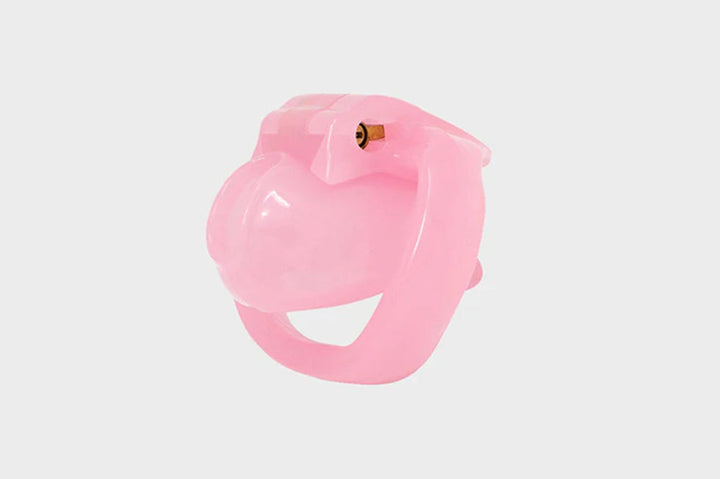
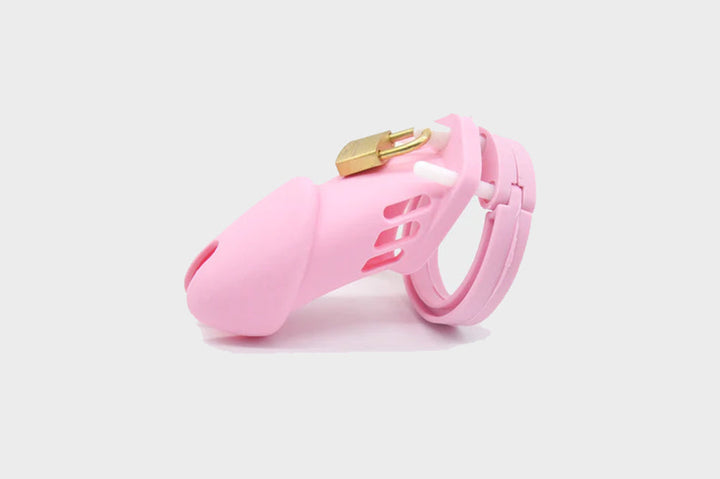
My Chastity Cage Won't Unlock or I Lost the Key: What to Do
Don't panic. Most "stuck" cages are a fit or fumbling issue, not a broken lock. Try the checklist below first (cold shower, lubricant, gentle wiggling, checking the pin isn't bent). If the lock genuinely won't turn or the key is truly gone, most cages can be cut off safely with a small bolt cutter or ring cutter, and a locksmith or ER can help if you're not comfortable doing it yourself. Lockd cages are designed with backup-key access in mind, and keeping a labeled spare somewhere your partner or a trusted person can reach is the best prevention.
Before You Panic: Is It Really Stuck?
Most "the lock won't open" moments are not lock failures. They're usually one of three things: the pin is slightly misaligned, there's swelling making the mechanism feel tighter than it is, or the key just isn't fully seated. On a Lockd cage, the lock mechanism itself is simple and rarely fails outright. Work through the checklist below before assuming the worst.
Can You Slip Out Without the Key?
Sometimes, yes. Whether you can slide out depends almost entirely on your ring size relative to the base of your penis. If your ring is on the looser end of your correct size range, going soft plus a cold shower or ice pack can sometimes be enough to slip free without touching the lock at all. This is more likely with resin or silicone cages than steel cock cages, since there's a small amount of give.
If your ring fits snugly at the correct size (which is what you want for day-to-day wear), slipping out usually isn't possible even when soft, and that's normal. It doesn't mean anything is wrong; it just means your sizing is accurate.
Not sure if your current fit is even right? The How to Measure Your Cage guide walks through getting an accurate size, and confirming your base ring with the ring sizing guide is the single biggest thing that prevents this situation.
Back to top ↑Quick Fixes to Try First
- Cool down. A cold shower or an ice pack (wrapped, never direct) for a few minutes can reduce swelling that's putting pressure on the lock.
- Reseat the key. Pull it fully out and reinsert it slowly, applying gentle inward pressure while turning rather than forcing a twist.
- Add lubricant. A drop of water-based lube in the keyhole itself (not just on skin) can free up a sticky pin.
- Check the angle. Standing versus sitting changes how the cage sits. Try the position you were in when it last worked.
- Look for a bent pin. Padlock keys are thin and bend easily in a pocket or bag. A slightly bent key often still turns with steady, gentle pressure.
If none of these work after a few calm minutes, move on below.
Back to top ↑If the Key Is Actually Lost
Every Lockd cage ships with two identical keys for exactly this reason. Before assuming it's gone:
- Check the original packaging, including small zip pockets and padding.
- Ask your keyholder or partner. This is the single most common resolution.
- Check laundry, gym bags, and anywhere clothing from that day ended up.
If both keys are genuinely unrecoverable, you're not stuck forever. Small combination or keyed padlocks like the ones used on most cages, including Lockd's, can be cut with a compact bolt cutter or a jeweler's ring cutter. Skip to the cutting section below.
Back to top ↑If the Lock Won't Turn at All
A lock that physically won't rotate, even with the correct key fully inserted, points to internal debris, corrosion from moisture, or a genuinely damaged mechanism rather than user error. At this point, cutting the lock off is the safest next step rather than continuing to fight it.
Prefer not to cut it yourself? If both keys are gone or the lock is damaged beyond fixing, you can order a replacement lock and key and spare rings directly and use a temporary padlock in the meantime, rather than cutting the original off.
Back to top ↑Cutting the Cage Off
This sounds scarier than it is. Most cage locks are small, thin-shackled padlocks, not thick security locks, so they cut easily.
| Tool | Best for |
|---|---|
| Compact bolt cutters (6–8 inch) | Standard small padlocks used on most cages |
| Jeweler's ring cutter | Precise, low-pressure cuts close to skin |
| Rotary tool with a cutting wheel | Steel cages where the shackle is thicker, used with extreme care and a heat-shielding barrier |
Tools for removing a stuck chastity cage lock, and what each one is best suited to.
Work slowly, keep the cutting edge angled away from skin, and have someone assist if possible so you have a free hand to hold the device steady.
Back to top ↑When to Get Outside Help
A locksmith can cut a small padlock in minutes. If a locksmith isn't accessible, any emergency room can remove a locking device safely and quickly; this is a routine, non-judgmental procedure for ER staff, and it's always the right call if pain, swelling, or discoloration is involved.
Back to top ↑Preventing This Next Time
- Keep the spare key somewhere separate from the primary one, not both on the same ring.
- If a partner is holding the key, agree on a backup plan for when they're unreachable.
- Inspect the key periodically for bending if it's carried daily.
- Consider a small lockbox with a combination as a backup access method for longer wear periods.
A little planning turns this from an emergency into a minor inconvenience.
Back to top ↑Frequently Asked Questions
Can I really cut a chastity cage off myself?
Yes, for most small padlocks used on cages, including Lockd's. Work slowly, keep the cutting edge pointed away from skin, and stop and seek help if you're not confident.
Will a locksmith or ER judge me?
No. Both deal with stuck locks and devices regularly and treat it as a routine, practical problem.
My key is bent but not broken. Should I keep trying?
A few gentle attempts are fine. If it's not turning after that, stop forcing it before it snaps, and move to cutting instead.
How long can I safely wait before cutting it off?
If there's no numbness, discoloration, or worsening pain, a few hours to sort out a spare key or locksmith is generally fine. Any of those warning signs means don't wait; seek help immediately.
Can I slip out of my cage without unlocking it?
Sometimes, if your ring is on the looser end of your size range and you're soft. If your ring fits snugly at the correct size, this usually isn't possible, and that's a sign of good fit rather than a problem.
Do you sell replacement locks and keys?
Yes. If your keys are lost or your lock is damaged, a replacement lock and key is often simpler than cutting the original off.
Need a Replacement Now?
If your keys are lost or your lock is damaged, a fresh set is usually simpler than cutting the original off. Shop the Replacement Lock & Key and spare rings directly. And if fit is part of what led to this in the first place, our measuring guide is worth five minutes, so it doesn't happen again.

About the Author — Shoana Miller, Lockd Editorial Team
Shoana Miller is a certified sex educator and BDSM lifestyle coach with over 10 years of experience in sexual wellness and intimate product reviews. Holding a Master's in Human Sexuality, she has contributed to leading publications on chastity play, power dynamics, and relationship enhancement. Follow her on LinkedIn.