How to Pee in a Chastity Cage: Standing, Sitting, and What Actually Works
Sitting down is the most reliable method for almost everyone wearing a Lockd cage, since the design directs flow downward rather than forward. Standing can work with the right angle and a cage that fits well, but expect more cleanup while you learn. Most "it won't work" problems come down to cage length, ring fit, or rushing. Give it a few tries before assuming your cage is the issue.
Why Peeing Feels Different in a Cage
A chastity cage holds the penis in a mostly downward or neutral position instead of allowing you to aim the way you're used to. Urine follows the cage's shape, usually exiting through a urethral opening at or near the tip, which means it tends to flow straight down rather than forward.
Does Cage Type Change This?
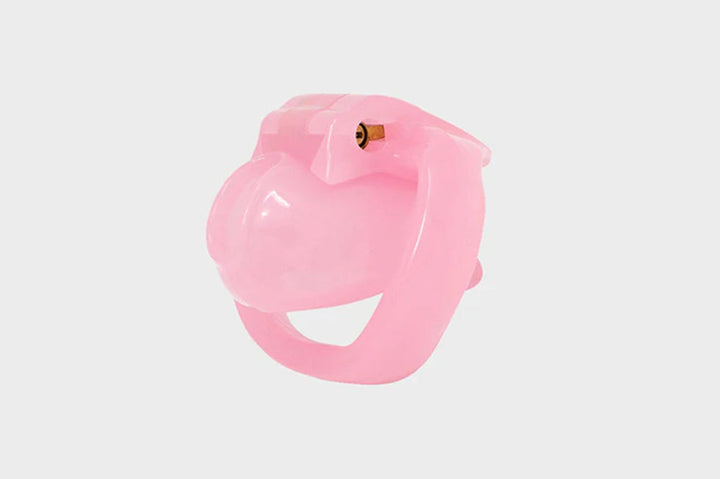
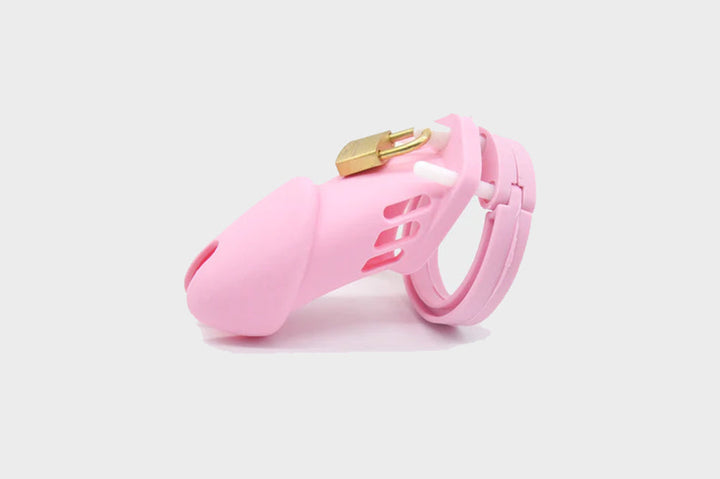
Yes, and it's the biggest factor most guides skip. Tube-style cages (longer, fully enclosed shaft) tend to direct urine further before it exits, which usually means a cleaner, more predictable stream whether sitting or standing. Flat or nub-style cages sit much closer to the body with little to no shaft length, so there's less distance to guide the flow before it exits near the base. That's not a flaw, but it does mean sitting matters more with a nub or flat cage than with a longer tube, since there's less cage doing the aiming for you.
If you're switching between cage types, expect to relearn your angle each time rather than assuming what worked for one will work for the other.
Back to top ↑Sitting Down: The Reliable Method
For most cage designs, including Lockd's, sitting is simply the path of least resistance. Sit fully back on the toilet, lean forward slightly, and let gravity do the work instead of trying to direct the stream.
- Lean forward a few degrees. This lines the cage opening up with the bowl instead of the seat's front edge.
- Give it a second to start. Cages can create a slight delay before flow begins. Don't tense up or rush it.
- Stay seated until you're sure you're done. Cages can dribble slightly more than usual at the end; a few extra seconds seated saves cleanup later.
This is the method most Lockd wearers land on for daily use.
Back to top ↑Standing Up: What Actually Works
Standing is possible, but it takes more attention to angle and cage fit than sitting does.
- Angle the whole cage downward by leaning your hips slightly forward toward the bowl, rather than trying to angle the tip alone.
- Get close to the bowl. A shorter distance means less room for the stream to drift.
- Use one hand to steady the cage, not to aim a bare tip the way you might uncaged. You're guiding the whole device, not the stream.
- Expect a learning curve. Most people need several attempts before standing feels reliable, and even then, sitting stays the backup for anywhere unfamiliar.
When Fit Is the Real Problem
If urinating in a cage consistently feels difficult, sprays sideways, or gets trapped inside the cage itself, the cause is often fit rather than technique.
| Symptom | Likely cause |
|---|---|
| Urine pools inside the cage | Cage is too long, or the ventilation/drainage holes are too small |
| Constant spraying or splitting stream | Urethral opening is misaligned or partially obstructed by cage material |
| Needing to fully remove the cage to go | Cage length or ring size is significantly off for your anatomy |
A cage that's properly sized should let urine exit cleanly without needing to be removed. If you're regularly struggling, it's worth rechecking your measurements and ring size rather than assuming this is just how caged urination feels. Our size calculator is the quickest way to sanity-check all three dimensions.
Back to top ↑Using Public Restrooms With Confidence
Using a stall rather than a urinal removes the pressure entirely and is the simplest solution when you're out. If a stall isn't available, standing at a urinal works the same way it does at home: lean in close, angle your hips rather than just the tip, and take your time. Nobody around you can tell you're wearing a cage.
Cage-Specific Tips
- Cobra range: the tapered shape means most sizes handle standing reasonably well once you've found your angle. Shorter Cobra sizes (Nano, Nub) follow the short-cage notes above; longer Cobra sizes behave more like a standard tube.
- Holy Trainer: its ventilation slots are designed to help drainage, so pooling is less common here than on fully closed designs. If you notice trapped urine, check that the slots aren't obstructed rather than assuming it's a technique issue.
- Steel cages: rigid material means zero flex to help redirect flow, so angle matters more than with resin or silicone. Sitting is the more reliable default with steel, especially while you're still learning your specific cage's geometry.
Cleanup and Hygiene
A small amount of dribble after finishing is common with cages and isn't a sign that anything is wrong. A quick wipe or rinse handles it. If you notice a persistent urine smell between cleanings, that's usually a hygiene interval issue rather than a peeing-technique issue, and it's worth reviewing your cleaning routine separately.
Frequently Asked Questions
Is it normal to struggle with this at first?
Yes. Almost everyone needs a few attempts to find their rhythm, especially with a new cage. Sitting down while you adjust removes most of the difficulty.
Should I remove the cage to pee?
No, a properly fitted cage is designed for urination without removal. Needing to remove it regularly is a sign the fit needs rechecking.
Why does it spray or go sideways?
Usually it's a fit or alignment issue rather than technique. Check that the urethral opening isn't obstructed and that the cage length suits your anatomy.
Does this get easier over time?
Yes. Most wearers report that it becomes automatic within the first week of regular wear.
Where to Go Next
Not sure which cage type fits your routine best? Read our cage type guide to find your match, or check the Cobra range guide if you're deciding between sizes. For daily care, see our clean and maintenance guide.

About the Author — Shoana Miller, Lockd Editorial Team
Shoana Miller is a certified sex educator and BDSM lifestyle coach with over 10 years of experience in sexual wellness and intimate product reviews. Holding a Master's in Human Sexuality, she has contributed to leading publications on chastity play, power dynamics, and relationship enhancement. Follow her on LinkedIn.