Chastity Cage Types Explained: Which Style Is Right for You?
TL;DR
There are six main chastity cage types: standard tube cages, nub cages, flat cages, open bar cages, full coverage cages, and chastity belts. Each serves a different purpose, level of restriction, and experience level. Read on for the full breakdown with a comparison table at the end.
Not all chastity cages are the same, and choosing the wrong style for your experience level or goals is one of the most common mistakes first-time buyers make. At Lockd, we get asked this question constantly: what's the difference between all these styles, and which one should I actually get?
This guide breaks it down clearly, type by type, so you can make a confident decision without the guesswork.
What Makes Chastity Cage Types Different?
The main variables that separate cage types are shape, length, coverage, and restriction level. A beginner needs something very different from an experienced wearer, and a daily wear cage looks nothing like a short-session cage. Understanding the differences before you buy saves you from a frustrating and sometimes uncomfortable first experience.
Back to top ↑1. Standard Tube Cages
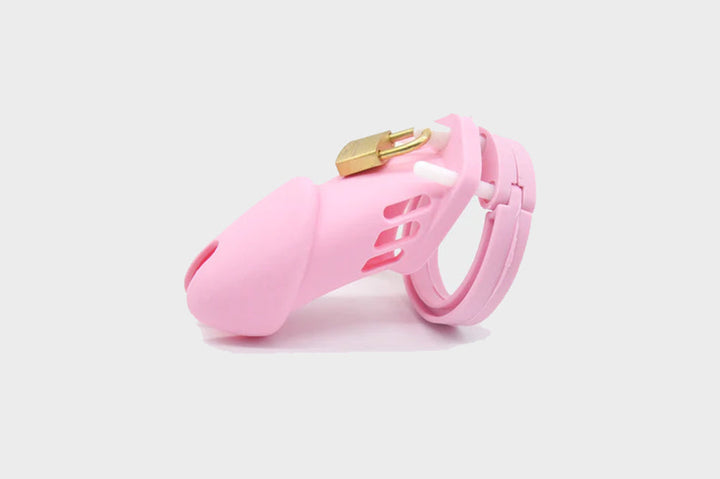
The standard tube cage is the most common starting point, and for good reason. It consists of a cylindrical or slightly tapered tube that encloses the penis completely, attached to a base ring that sits behind the scrotum. The tip is open for urination.
Standard cages come in a wide range of lengths and are available in silicone, resin, and steel. They offer full enclosure with moderate restriction, making them the ideal entry point for anyone new to chastity.
Best for: Beginners, daily wear, anyone wanting a comfortable introduction to chastity.
Restriction level: Moderate
Lockd picks: Cobra Standard, CB6000
Back to top ↑2. Nub Cages
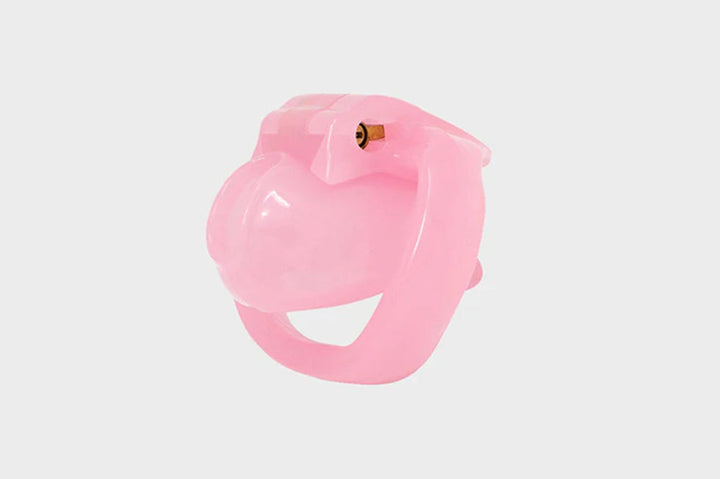
A nub cage is a dramatically shortened version of the standard tube, typically under 2 inches, sometimes as short as 1 inch. The design physically prevents any meaningful erection by leaving almost no room for growth. This creates a significantly more intense psychological and physical experience than a standard cage.
Nub cages are not for beginners. They require the wearer to have already adjusted to chastity play and to have their base ring sizing dialled in precisely, since any fit issue is immediately apparent at this length.
For a deeper look at what makes this style unique and whether it's right for you, check out our dedicated guide: What Is a Nub Cage and Who Should Wear One?
Best for: Experienced wearers, humiliation dynamics, intense orgasm denial.
Restriction level: High
Lockd picks: Cobra Nub Pink, Holy Trainer V4 Nub
Back to top ↑3. Flat Cages
Flat cages take a completely different approach to restriction. Rather than enclosing the penis in a tube, they press everything downward into a flat, compressed panel. The result is a profile so low it's virtually undetectable under clothing, even fitted trousers or underwear.
This makes flat cages the go-to choice for public wear and discretion-focused play. The psychological effect differs from that of tube cages. It's less about physical containment and more about complete flattening, which many wearers find uniquely humbling.
Flat cages tend to work best in steel, which holds the flat shape securely without flexing.
Best for: Public wear, discretion, experienced wearers who want maximum psychological impact.
Restriction level: Very high.
Lockd picks: MicroRestraint Flat Cage, The Gentleman
Back to top ↑4. Open Bar Cages
Open bar cages replace the solid tube with a series of bars or rings, leaving gaps between them. The structure still encloses and restricts, but the open design allows significantly better airflow and makes hygiene much easier during extended wear.
The trade-off is visibility — open bar cages are more obvious under clothing than tube designs. But for long-term wearers who prioritize hygiene and comfort over discretion, this is often the preferred style.
Steel open bar cages also have a distinctive aesthetic that many in the community associate with serious long-term chastity.
Best for: Long-term wear, hygiene-conscious wearers, experienced players.
Restriction level: Moderate to high
Lockd picks: Bird Cage XL Steel, Tightly Packed Short Cage
Back to top ↑5. Full Coverage Cages
Full-coverage cages are the opposite of open bar designs; every surface is enclosed, with no gaps, no visibility, and no stimulation possible whatsoever. The only opening is at the tip for urination. These cages prioritize complete sensory denial over hygiene or comfort.
Because airflow is restricted, full coverage cages require more frequent removal for cleaning and are not recommended for extended uninterrupted wear. They are best used for shorter, more intense sessions. Some full-coverage cages also feature urethral tube attachments for an added layer of stimulation and restriction. If that's something you're exploring, our Urethral Inserts and Plugs Safety Guide is essential reading before you go down that route.
Best for: Short sessions, maximum denial, couples who want the most restrictive experience.
Restriction level: Maximum
Lockd picks: Closure Firm Plastic Cage, Attitude Adjustment Cage
Back to top ↑6. Chastity Belts
Chastity belts take restriction beyond the cage entirely. A belt wraps around the waist with a secured strap running between the legs, holding a cage or shield in place in a way that's impossible to remove without the key, regardless of body type or flexibility.
Belts are the most secure form of chastity device available. They eliminate the possibility of escape that some cage-only designs allow in rare circumstances, and they create a total-body sense of restraint that cage wearers often describe as categorically different.
They require careful sizing and a break-in period, but for couples serious about long-term or 24/7 chastity dynamics, a belt represents the most committed version of the practice. Our Male Chastity Belts guide covers everything you need to know before purchasing.
Best for: Advanced wearers, 24/7 dynamics, maximum security.
Restriction level: Maximum
Lockd picks: Classic Men's Chastity Belt, Encased Male Chastity Belt
Back to top ↑7. Comparison Table: All Types at a Glance
| Type | Restriction Level | Best For | Hygiene | Discretion |
|---|---|---|---|---|
| Standard Tube | Moderate | Beginners, daily wear | Easy | Good |
| Nub Cage | High | Experienced, intense denial | Easy | Good |
| Flat Cage | Very High | Public wear, discretion | Moderate | Excellent |
| Open Bar | Moderate-High | Long-term hygiene focus | Excellent | Poor |
| Full Coverage | Maximum | Short sessions, max denial | Difficult | Good |
| Chastity Belt | Maximum | Advanced, 24/7 dynamics | Moderate | Poor |
8. Which Type Should You Choose?
Here's a simple way to think about it:
If you're new to chastity, start with a standard tube cage. Comfort and adjustability matter most at this stage.
If you want discretion for daily or public wear, go flat. Nothing disappears under clothing like a flat cage.
If you want to intensify an existing dynamic, step up to a nub or full-coverage cage. These are designed for wearers who've already mastered the basics and want more.
If hygiene during extended wear is your priority, open-bar steel cages give you the best of both worlds: restriction and breathability.
If you want the most committed, escape-proof experience, a chastity belt is the next level entirely.
The right cage isn't the most extreme one; it's the one that fits your current experience level and the dynamic you're building. At Lockd, our range covers every type on this list, so wherever you are in your journey, there's an option designed for you.
Not sure where to start? Our Quick Fit and Style Guide walks you through choosing the right cage based on your body, experience level, and goals.
Back to top ↑