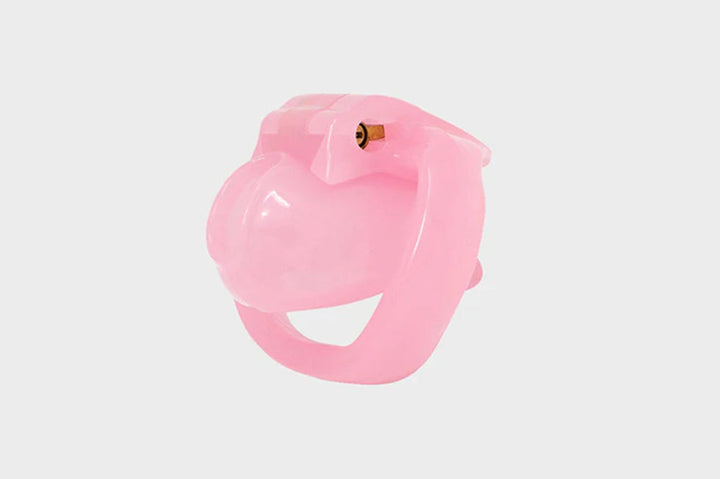
You’re Locked, Now What? 10 Submissive Tasks to Level Up Your Chastity Journey
TL;DR
Getting locked is the beginning, not the destination. These 10 submissive tasks are designed for couples who already have a chastity cage in place and want to deepen the psychological dynamic, build anticipation, and give the keyholder more creative control between sessions.
Why Tasks Matter in a Chastity Dynamic
So, you’ve taken the plunge, chosen the perfect cage from Lockd, and the key is firmly in your partner’s hands. Being locked up is an incredible psychological and physical milestone, but once the initial excitement settles, many couples ask the same question: What now?
The device handles the physical side. The dynamic, that part takes deliberate attention to develop.
Submissive tasks are one of the most effective ways to do that. They give the keyholder something to assign and the submissive something to focus on. They keep the dynamic active between sessions rather than letting it go dormant. And they create a structure that makes chastity feel like a living, evolving practice rather than just wearing a cage.
These tasks range from simple daily rituals to more psychologically intense exercises. Start with one or two and build from there.
Back to top ↑10 Submissive Tasks to Try
1. The Daily Hygiene Presentation
Cage maintenance becomes an act of submission.
How it works: At a set time each day, the submissive cleans the cage and skin thoroughly, then presents for inspection. The keyholder checks the fit, the skin condition, and the cleanliness before dismissing the submissive. No release, no reward, just the acknowledgment that the cage and the body inside it belong to the keyholder's oversight.
This keeps the physical reality of chastity front and center in daily life without requiring a formal scene.
2. The Permission Protocol
The submissive asks for things they would normally do automatically.
How it works: For a set period, the submissive asks permission before sitting, eating, going to bed, or speaking about anything personal. The keyholder decides how strictly to enforce it. This task is particularly effective at building that constant low-level awareness of the dynamic that long-term chastity players describe as one of the most compelling parts of the practice.
One rule: the submissive is never permitted to ask about release unless explicitly invited to.
3. The Gratitude Journal
Forces the submissive to sit with the psychological experience rather than push through it.
How it works: The submissive writes a short daily or weekly entry about how the cage felt that day, what thoughts of the keyholder came up, and what they're grateful for. The journal is presented to the keyholder on demand or at a designated check-in. Over time, this becomes a record of the dynamic's evolution that both partners find genuinely valuable.
Some couples use this to identify what's working and what needs adjusting, which makes it practical as well as intimate.
4. Morning Service
The submissive's day doesn't start until the keyholder's needs are met.
How it works: The submissive cannot eat breakfast, check their phone, or begin their own routine until the keyholder's morning is handled. Coffee made to their exact specifications, breakfast prepared, bag packed, whatever the keyholder decides. The submissive does this while locked, which turns an ordinary morning into a quiet ongoing reminder of the power structure.
5. The Look But Don't React Rule
Visual stimulation becomes a test of control.
How it works: The keyholder moves, dresses, or positions themselves deliberately in the submissive's field of vision. The submissive must maintain composure: no touching, no visible reaction, and eyes forward. The keyholder decides the level of provocation and the duration. This task works particularly well for building anticipation across an entire day rather than in a single session.
6. Structured Teasing With No Release
The submissive receives stimulation they cannot act on.
How it works: The keyholder uses hands or toys on or around the cage, bringing the submissive close to arousal while keeping them completely contained. The submissive's task is to stay still, accept it, and express genuine gratitude afterward. No complaints, no negotiation. This is one of the most psychologically intense tasksaf on the list and works best once both partners are comfortable with the dynamic.
7. The Chore Inspection
Household tasks become acts of devotion with consequences attached.
How it works: The keyholder assigns a specific checklist, like cleaning, laundry, or cooking, with a standard of completion they define in advance. The submissive completes everything while locked. The keyholder inspects afterward. Work that doesn't meet the standard earns an extension to the denial period. Work done well earns acknowledgment, not necessarily release, but recognition.
The inspection itself is often more psychologically effective than any reward or punishment attached to it.
8. Written Devotion
The submissive articulates their submission in writing rather than action.
How it works: The keyholder assigns a topic, such as why they want to be locked, what they appreciate about the keyholder, and what they're hoping for in the dynamic, and the submissive writes a letter. Not a quick text, a proper written piece. This task tends to surface things that don't come up in conversation and creates a record of the submissive's genuine feelings about the dynamic over time.
9. Body Language Protocols
Submission is practiced physically in how the submissive presents themself.
How it works: When the keyholder enters the room, the submissive adopts a designated position — kneeling, standing with hands behind their back, or sitting at the keyholder's feet. The position is agreed upon in advance and maintained consistently. This task requires no special equipment and no formal scene — it just quietly reinforces the dynamic during completely ordinary moments.
10. The Earned Privilege System
Release or comfort becomes something the submissive actively works toward.
How it works: The keyholder creates a simple system where specific behaviors earn privileges — not necessarily release, but things like choosing what to watch, picking dinner, or getting a back rub. Poor effort or attitude removes privileges already earned. This task adds structure to the dynamic that makes the submissive's daily behavior feel consequential in a way that sustains engagement over longer denial periods.
The system doesn't need to be complicated. A simple whiteboard with check marks is often enough. And when release is eventually earned, how that moment is handled matters just as much as the denial that led to it. Read Lockd’s guide on chastity aftercare for what to do when the cage comes off.
Back to top ↑How to Introduce Tasks Safely
Before adding tasks to a chastity dynamic, a few things matter more than the tasks themselves.
Have the conversation at a neutral time. Not mid-session, not right after putting the cage on. Sit down when both people are calm and discuss which tasks sound interesting and which feel like too much. Write down any hard limits before starting.
Start with one task, not the whole list. One daily task and one weekly check-in is more than enough to begin. Add complexity only once both partners are comfortable with what's already in place.
Keep the safe word active. Any task can be paused or ended if it stops being manageable. Submissive tension and genuine distress feel different — both partners should know the difference and respect it without question.
Re-evaluate regularly. What works in the first week may need adjusting by the third. A monthly check-in where both partners can honestly assess the dynamic is one of the more underrated practices in long-term chastity. For more on this, read our chastity play rules for couples.
Back to top ↑Building Your Dynamic Over Time
Chastity dynamics evolve. What feels intense in the first week becomes normal by the second month — which is usually a good sign. It means both partners have settled into the practice, and the baseline has shifted.
When that happens, the tasks on this list are worth revisiting. Some will have become habits. Others will be worth trying for the first time. A few may no longer fit where the dynamic has gone.
That evolution is the point. The cage is just what makes it physical. The tasks, the check-ins, the structure — that's what makes it a real dynamic rather than just a device.
If you're looking to add variety to the physical side of your chastity practice, browse Lockd's full range of chastity cages, including options designed for longer wear, different materials, and varying levels of security.
Back to top ↑