Chastity Keyholder Guide: How to Hold the Key the Right Way
Being a keyholder in a chastity relationship is about more than holding a key—it requires trust, communication, emotional support, and responsibility. A good keyholder puts safety first, establishes boundaries, follows procedures, offers aftercare, and maintains flexibility. By learning about chastity devices and engaging actively with their partner, keyholders can deepen intimacy, strengthen the relationship, and create a shared, fulfilling experience.
Table of Contents
So you've just become a chastity keyholder — or you're thinking about it — and you're already realizing it's a lot more than just keeping a tiny key safe.
That's exactly what this chastity keyholder guide is for.
People in the Lockd community have described stepping into the keyholder role as "both exhilarating and terrifying" and honestly, that tracks. One woman shared that the first time her partner placed a small key in her hand, she felt a rush of excitement followed by an equally strong wave of "okay but what do I actually do now?"
That combination of excitement and responsibility is what makes this role so unique. It's intimate, it's layered, and when done right it deepens a relationship in ways most couples don't expect. This guide covers everything you need to know to do it well — from setting rules and managing the device to emotional check-ins, aftercare, and knowing when to adjust.
What Is a Keyholder?
At its simplest, a keyholder is the person who holds the key to their partner’s chastity device. But if we stop there, we’d miss the heart of what this role represents.
Being a keyholder means holding responsibility for your partner’s submission. The chastity bondage itself is just a tool—the real power lies in the connection, the negotiation, and the shared experience between you and your partner.
Some relationships are full-time, with the chastity device worn around the clock. Others dip into chastity as a form of playful control—on weekends, through long-distance arrangements, or on special occasions.
A chastity keyholder may be a trusted friend or professional, a romantic partner, or a dominant in a D/s relationship. Some keyholders also take on the role alone, using it as a chance for introspection, self-control, and personal development.
At Lockd, we believe that a keyholder can take many forms, but what matters most is that everyone feels secure, valued, and content.
Keyholder Responsibilities: What the Role Actually Involves
Here’s the truth: chastity keyholders don't just lock their partners up and leave. It’s an active role that blends authority with empathy.
1. Communication Comes First
A common mistake couples make is skipping the upfront conversation in their excitement. One partner anticipates short sessions while the other assumes long-term denial — and within days tension builds. The takeaway is simple: communication is not optional in this dynamic.
We believe that partners should agree on:
- How long will the lockups last
- What circumstances justify early release
- The rules around teasing, orgasm control, and daily expectations

For the full contract click here for page 1, and here for page 2.
2. Safety and Health Always Matter
We always emphasize that being chaste comes with risks. If not properly handled, lock and key chastity devices may result in chafing, poor circulation, or hygienic problems. A responsible keyholder doesn’t just enforce the rules—they also look out for their partner’s well-being.
Some of the keyholder responsibilities are,
- Make sure the device fits properly.
- Encourage regular cleaning and check-ins.
- Keep an emergency key handy.
3. Emotional Support Is Crucial
Chastity is intensely emotional in addition to being physical. While locked, your partner might experience feelings of insecurity, frustration, or vulnerability. One of your responsibilities of a keyholder is to help them deal with these feelings.
The experience is not only long-lasting but also incredibly fulfilling when you pay attention to your partner's mental health.
4. Structure, Rituals, and Rules
Keyholding can be playful or strict, but in either case, rituals help create a sense of meaning. These don’t need to be elaborate. They can be as simple as your partner sending you a nightly check-in message or as symbolic as you wearing the key around your neck.
Rituals anchor the power dynamic, making it feel less like a novelty and more like a relationship cornerstone.
5. Privacy and Trust
Keep in mind that your significant other is entrusting you with an intimate part of themselves. It is imperative that their privacy be respected. Never share images, anecdotes, or experiences without permission. Trust is the cornerstone of any D/s relationship, and discretion fosters trust.
6. Aftercare Matters
Chastity Play doesn't end when you unlock it. Release can be too much for a lot of people. They may experience physical, emotional, or both effects. Following intense play, aftercare—whether it takes the form of cuddles, reassurance, or just a sincere conversation—ensures that both partners feel rooted and connected.
Choosing and Managing the Chastity Device
As a keyholder, managing the physical aspect of your partner’s male chastity device is just as important as the emotional side. Here’s how to handle it safely and effectively:
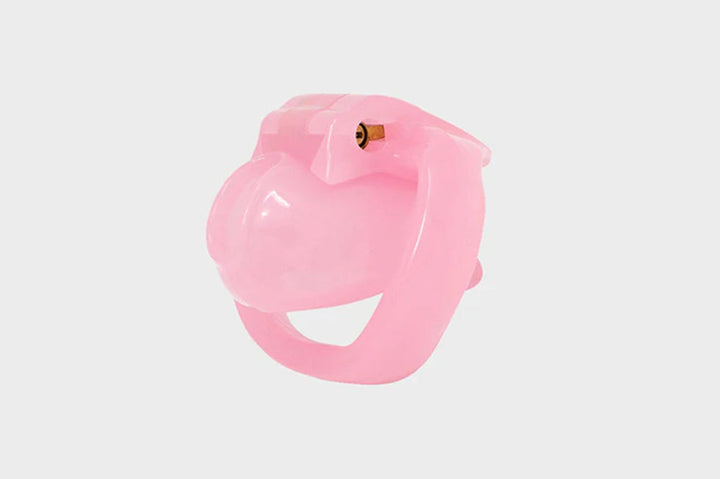
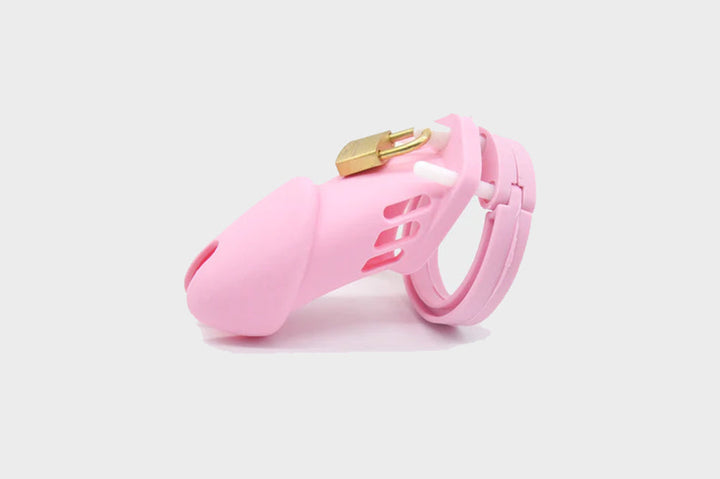
- Choose the Right Device: Take into account your partner's anatomy, level of comfort, and anticipated duration of wear. Engage them in choosing the ideal chastity cage and substance.
- Prioritize Comfort and Security: Use medical-grade materials like stainless steel or biocompatible resin. Learn more about how proper fit prevents chafing, irritation, and injury, while security features maintain the dynamic.
- Explore Device Types: While traditional lock-and-key cages are dependable, contemporary app-controlled electric chastity cages or remote chastity devices offer more flexibility for relationships involving long distances.
First Time Keyholder? Start Here
| Tips | Why It Matters |
|---|---|
| Start small | Begin with short lock-up periods (a few hours or a day) before trying longer durations. This helps both partners adjust gradually. |
| Talk more than you think you need to | Open, ongoing communication about comfort, expectations, and emotions prevents misunderstandings and builds trust. |
| Use rituals | Daily check-ins, symbolic gestures (like wearing the key), or other small rituals add meaning and consistency to the dynamic. |
| Keep safety first | Always have a backup key, set emergency protocols, and monitor for physical issues like chafing or hygiene concerns. |
| Document the journey | Journaling or shared diaries let both partners reflect on feelings, challenges, and milestones together. |
| Balance play with care | Mix teasing, denial games, and rewards with emotional support and aftercare to keep the experience healthy and fun. |
| Be flexible | Life happens—stress, work, or travel can disrupt things. Adjust the rules instead of pushing too hard. |
| Celebrate milestones | Mark achievements like a week, a month, or the first unlock with small celebrations to keep the experience positive. |
| Learn from the community | Reading blogs and forums and connecting with experienced keyholders helps avoid pitfalls and sparks new ideas. |
| Enjoy the role | Remember that keyholding is about connection, not perfection. Stay curious, playful, and open to growth. |
Caption: A Quick Guide To Help You Navigate Your Keyholder Experience With Confidence And Care
Frequently Asked Questions
Is it normal to feel overwhelmed as a keyholder?
Does possessing a key equate to having control over someone?
Can anyone be a keyholder?
How long should lockups last?
What if something goes wrong with the device?
Is it possible for keyholders to not be romantic?
Conclusion: Holding More Than Just the Key
At Lockd, we say that being a keyholder is fundamentally about more than just having control. It's about fostering intimacy, protecting your partner's trust, and forging a journey together that deepens your relationship. You can turn a basic key into an effective tool for connection with a little imagination, communication, and consideration.
Whether you’re a curious beginner or a seasoned keyholder, the journey is about trust, respect, and discovery. Take your time, communicate openly, and choose the path that feels right for you.
Ready to explore chastity with confidence?
Explore our extensive collection of male chastity cages and find the perfect fit today.