Chastity Play Rules for Couples: Consent, Safe Words and Boundaries
TL;DR:
Chastity play requires clear, enthusiastic, ongoing consent from both the wearer and the keyholder. At Lockd, we always recommend setting written rules, agreeing on a safe word system, and scheduling regular check-ins are the foundations of a healthy chastity dynamic. Rules should be specific, revisable, and agreed on before the cage goes on.
Lockd always emphasizes that setting rules for chastity play as a couple is one of the most important things you'll do before the cage ever goes on. Not because it kills the mood — it doesn't — but because clear chastity play rules are what make the whole dynamic actually work long term.
Chastity play is different from most sexual experiences because the consent doesn't end when the scene does. The cage is still on in the morning. The dynamic continues at work, during errands, across ordinary life. That means the rules need to be more specific, more explicit, and more revisable than a typical conversation about sex.
This guide covers everything: how to have the first conversation, how to define roles, how to set rules that hold up in real life, and how to establish safe words that both partners will actually use.
Why Consent in Chastity Play Is Different
Most sexual consent conversations are relatively short. Chastity play is different because you're consenting to something that extends over time, sometimes days, sometimes weeks, sometimes longer. The cage is still on in the morning. The dynamic continues when you're both at work, running errands, and living your ordinary life. That changes the consent framework significantly.
You're not just agreeing to a single act. You're agreeing to an ongoing dynamic with rules, power exchange, and physical restriction. That means the consent needs to be more detailed, more explicit, and more revisable than a typical sexual encounter.
At Lockd, we always encourage new wearers and keyholders to treat consent as the architecture of their dynamic, not an afterthought. Every other element of the play sits on top of it.
If you're still figuring out whether chastity play is something you both want to explore, our guide on how to introduce chastity to your partner is a good starting point before getting into rules and safe words.
Back to top ↑Having the First Conversation
The first consent conversation about chastity play works best when it happens outside of any sexual context. Not in the bedroom, not mid-scene, not as a suggestion during intimacy. Somewhere neutral, calm, and pressure-free.
This conversation should cover a few things honestly: what each partner finds appealing about chastity play, what concerns or limits they have, what they're not willing to do, and what a healthy version of the dynamic looks like for both of them.
Neither partner should feel pushed into agreeing. The person being asked to wear a cage should be able to say no to any element without it affecting the relationship. The keyholder should feel comfortable expressing their own limits, too, including how much responsibility they're willing to take on.
If one partner brought up chastity and the other is new to the idea, give that second person time to think without pressure. A quick "yes" in the moment is less valuable than a considered "yes" after they've had space to reflect. The chastity glossary is a useful resource to share with a partner who's unfamiliar with the terminology before that conversation.
Back to top ↑Defining Roles: Wearer and Keyholder
Before rules can be set, both partners need to understand what their roles actually involve, because they're more involved than they might initially seem.
The wearer is agreeing to physical restriction, to surrendering control over their own sexual release, and to operating within whatever rules are set. This is not a passive role. It requires trust, communication, and the ability to advocate for their own physical and emotional well-being throughout.
The keyholder is taking on genuine responsibility. They're not just holding a key. They're agreeing to pay attention to their partner's physical comfort, to be responsive to check-ins, to enforce the rules they've agreed to, and to take the dynamic seriously. A keyholder who goes silent or becomes disengaged creates a dynamic that feels punishing rather than playful.
Both roles have real responsibilities and real limits. Making those explicit before play begins sets a healthier foundation than figuring them out under pressure.
Back to top ↑How to Set Rules That Actually Work
Vague rules create confusion. "You're locked until I decide" sounds exciting in theory, but it becomes a problem when the wearer needs clarity, and the keyholder doesn't have an answer. Rules for chastity play work best when they're specific, mutually agreed on, and written down.
What good rules cover:
- Duration. How long will the cage be worn before the first agreed release? This is especially important for beginners. Starting with short, clearly defined periods (a few hours, then a day, then a weekend) builds trust before longer terms are attempted. Our post on Are You Ready for Long-Term Chastity covers how to assess readiness for extended wear.
- Release conditions. What are the agreed conditions under which the cage comes off? Medical needs, hygiene, discomfort, or simply because a set period has ended. These should be non-negotiable, and both partners should know them clearly.
- Physical limits. Any pain, numbness, skin irritation, or circulation issues are automatic grounds for removal. This should be stated explicitly as a rule, not left to the wearer to negotiate in the moment.
- The keyholder's limits. What is the keyholder willing and not willing to do? Some keyholders are happy to engage actively, sending reminders and teasing their partner. Others prefer a lighter-touch role. Both are valid, but both partners should know which dynamic they're in.
- Daily life rules. Does the dynamic extend beyond intimate time? Are there rules about behavior, tasks, or check-ins during everyday life? If so, what are they, and how will they be enforced?
- Emergency removal. Where is the key kept? Is there a spare? Both partners should know how to access it at any time without the dynamic becoming a safety barrier.
Writing rules down doesn't kill the mood. It creates the safety that makes the mood possible. Think of it as the blueprint that lets you build something you actually want to live in.
Back to top ↑Safe Words and Safe Signals for Chastity Play
A safe word is a pre-agreed word or signal that either partner can use to pause or stop the dynamic completely, no questions asked, no consequences, and no negotiation. It's not a failure of the dynamic. It's what makes the dynamic safe enough to exist in the first place.
The traffic light system is the most commonly used approach in BDSM and kink play, and it works well for chastity:
- Green means everything is good; continue as planned.
- Yellow means slow down, check in, something needs attention, but it's not an emergency. This might be physical discomfort that's building, emotional tiredness with the dynamic, or a practical issue that needs discussing.
- Red means stop. The cage comes off, the dynamic pauses, and both partners return to a neutral space to talk.
Both partners can use yellow and red, not just the wearer. A keyholder who is feeling overwhelmed, disengaged, or uncomfortable with where the dynamic is going should feel equally empowered to call yellow.
Safe signals for situations where speaking isn't possible are worth planning, too. If the wearer can't speak freely (when out in public, for example, or during a scene), a pre-agreed physical signal, like tapping twice on the keyholder's hand, can serve the same function.
The safe word only works if both partners genuinely believe it will be respected without judgment or pressure. Establish that belief before the cage goes on.
Back to top ↑Physical Safety vs Emotional Safety
These are two separate categories of safety, and both matter.
Physical safety in chastity play means wearing a cage that fits correctly, removing it regularly for hygiene, watching for signs of irritation, numbness, or circulation issues, and never ignoring pain. Our chastity cage mistakes to avoid guide covers the physical safety basics in detail, and beginners should read it before starting any extended wear.
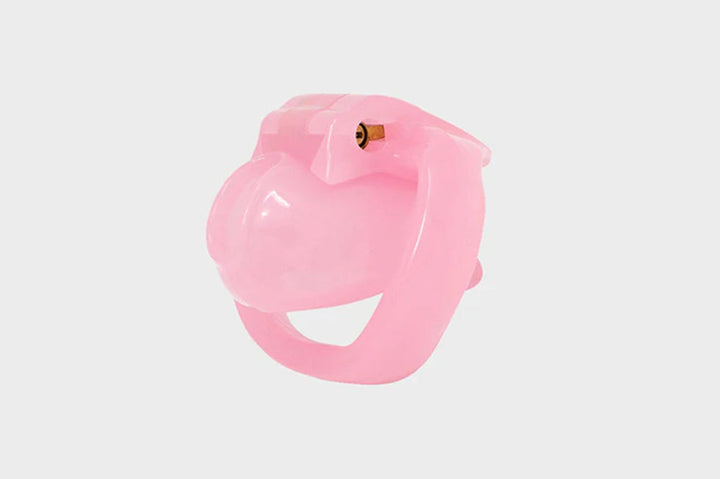
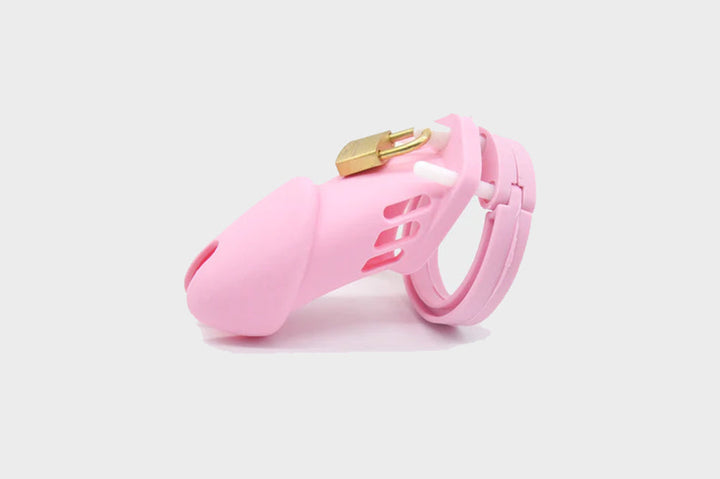
Choosing the right cage for your body is part of physical safety, too. A cage that's too small, too heavy, or made from the wrong material will cause problems regardless of how strong the consent framework is. Browse the beginners' chastity cages collection if you're starting and prioritizing comfort.
Emotional safety is less visible but equally important. Chastity play can bring up unexpected feelings: vulnerability, frustration, insecurity, or anxiety. These aren't signs that something is wrong. They're normal responses to a dynamic that involves genuine vulnerability. What matters is that both partners feel safe surfacing those feelings without the dynamic being used against them.
A keyholder who dismisses the wearer's emotional experience, or a wearer who doesn't feel safe raising concerns, is a sign that the consent framework needs attention.
Back to top ↑Check-ins: Keeping Consent Ongoing
Consent in chastity play isn't a one-time event. It's something that needs regular maintenance, especially as the dynamic evolves.
Scheduled check-ins, separate from the play itself, give both partners space to honestly assess how things are going. These conversations should be low-pressure and genuinely open. Questions worth covering in a check-in include: Is the current duration still working for both of us? Are there any physical issues that need addressing? Is there anything about the dynamic that either of us wants to adjust? Are we both still enjoying this?
How often check-ins happen depends on the couple, but for newer dynamics, weekly is reasonable. For longer-established ones, monthly or after each agreed period ends is a good rhythm.
Check-ins are also where rules get revised, which brings us to the last section.
Back to top ↑When Rules Need to Change
Rules that initially made sense in a chastity dynamic may not always fit as the dynamic develops. Life changes, feelings evolve, and what felt exciting at the beginning might feel different after a few months. This situation is normal and healthy.
Either partner should be able to request a rule change at any check-in without it being treated as a violation of the dynamic or a sign that they're not committed. Renegotiating rules is part of how long-term dynamics stay healthy.
If the wearer wants a shorter agreed duration, that's a valid request. If the keyholder needs to step back from certain responsibilities, that's equally valid. The goal is a dynamic that continues to work for both people, not the preservation of the original rules at the expense of either partner's well-being.
For couples thinking about what different chastity dynamics actually look like, our post on what type of chastity dynamic are you explores some of the main approaches and can be a useful context for these kinds of conversations.
Back to top ↑Final Thoughts
Chastity play at its best is a deeply consensual, mutually enjoyable dynamic built on trust, communication, and clear agreements. The rules, the safe words, the check-ins: none of these things dampen the experience. They're what make the experience possible.
Getting the consent framework right before the cage goes on means both partners can fully enjoy what they've built together, without worry, without confusion, and without anyone feeling trapped in something they didn't fully sign up for.
At Lockd, we believe every chastity journey should start with that foundation. When you're ready to explore the right cage for your dynamic, browse the full collection and find the right fit.
Shop All Chastity Cages at Lockd
Back to top ↑