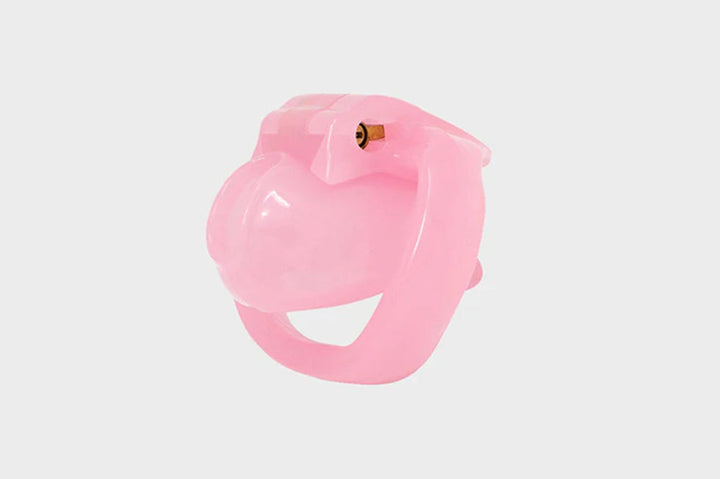
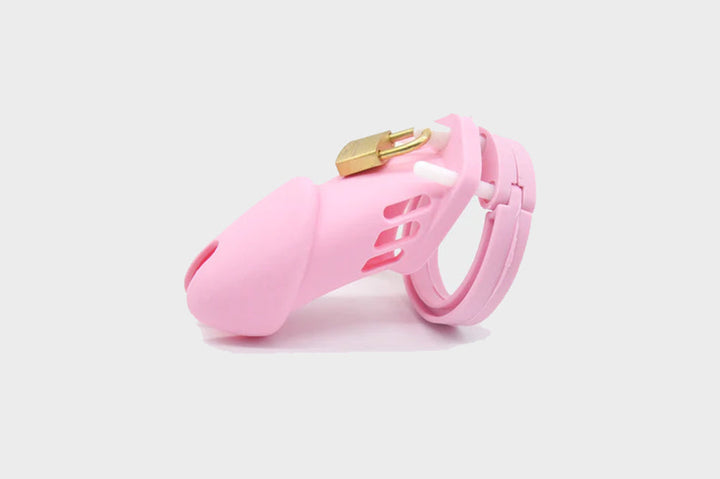
Best Silicone Chastity Cage Guide 2026
- Silicone chastity cages are the most comfortable and forgiving material for beginners
- Silicone is flexible, lightweight, and airport-safe, unlike steel
- Security is more psychological than physical with silicone; it can be cut with the right tools
- Silicone requires diligent hygiene since enclosed designs can trap moisture
- Best suited for first-time wearers, sensitive skin, and anyone prioritizing comfort over maximum enforcement
Silicone is the most forgiving material in chastity. If a steel cage feels like too much too soon, a silicone cage offers something silicone and resin both do well, but silicone does best: a soft, flexible fit that moves with your body instead of against it. At Lockd, silicone is one of the first materials we point beginners toward, and for good reason. This guide covers what makes silicone different, who it's right for, and the best silicone cages available in 2026.
New to chastity altogether? Start with our complete beginner's guide first, then come back here once you're ready to pick a device.
The 4 Best Silicone Chastity Cages in 2026
1. CB6000 Silicone Chastity Cage
Best for: Beginners exploring extended chastity wear, and anyone wanting a forgiving, all-around silicone device.
The CB6000 is our most recommended silicone cage for a reason. Its soft-touch construction molds to your anatomy rather than fighting it, and it ships with five ring sizes so getting a proper fit doesn't require a second order. It's the cage we point most first-time wearers toward.
Best worn for: Extended daily wear, solo exploration, and early-stage partnered dynamics
View the CB6000 →2. CB6000S Small Silicone Cage
Best for: Wearers who want the CB6000's comfort in a shorter, more discreet profile.
The CB6000S takes everything that works about the CB6000 and shortens it. Its built-in lock removes the need for an external padlock, keeping the profile smooth under clothing, and the shorter length gives a slightly more secure feel without moving to a rigid material.
Best worn for: Discreet daily wear, and wearers transitioning from plastic to silicone
View the CB6000S →3. Attitude Adjustment Silicone Chastity Cage
Best for: Absolute beginners who want the lowest-commitment way to try chastity.
At just 68mm (2.7 inches), the Attitude Adjustment is built as a true starter cage. Its adjustable ring gives some flexibility on fit without needing to size precisely on the first try, which makes it a low-pressure way to find out whether chastity is for you before investing in a larger device.
Best worn for: First-time trial wear, and short sessions while you're still learning your fit
View the Attitude Adjustment →4. Spiked Predicament Silicone Chastity Cage
Best for: Experienced wearers and keyholders looking to add a sensation element beyond standard denial.
Not every silicone cage is about pure comfort. The Spiked Predicament keeps silicone's soft, flexible shell on the outside but adds a cluster of internal spikes designed to respond to arousal with sharp, immediate feedback. It's a different kind of silicone cage, built for wearers who already know they want more than gentle restraint.
Best worn for: Intermediate to advanced denial and CBT play, keyholder-enforced dynamics
View the Spiked Predicament →Why Choose a Silicone Chastity Cage?
Silicone offers three things other materials can't match at the same time:
- Comfort. Silicone is soft and flexible enough to move with your body instead of resisting it. If a sizing error happens, the material gives slightly rather than causing immediate discomfort, which makes it far more forgiving than steel or resin while you're still learning your fit.
- Discretion and travel safety. Silicone contains no metal, which means it won't trigger airport security or MRI equipment. For wearers who travel frequently or simply don't want to think about it, this removes a whole category of hassle.
- A gentler introduction. Chastity has a learning curve, and silicone is built for the early part of it. It lets you focus on the psychological and relational sides of the practice without fighting an unforgiving device at the same time.
For a full side-by-side comparison of silicone against steel and resin, see our complete chastity cage materials guide.
Back to top ↑Who Is a Silicone Cage Right For?
Silicone is a great fit if you:
- Are new to chastity and haven't settled on your ring size yet
- Want a lightweight option that won't set off airport metal detectors
- Have sensitive skin or a metal allergy
- Prioritize comfort during extended daily wear over maximum physical enforcement
- Want to ease into the practice before committing to something stricter
Silicone is not ideal if you:
- Want genuine, escape-proof physical security (see our steel chastity cage guide instead)
- Are doing very long-term, multi-week wear without breaks, where a more durable material holds up better
- Dislike the idea of a device that can, in principle, be cut with the right tools
Silicone-Specific Fit and Sizing
Fit still matters most with silicone, even though the material is forgiving.
Start with the ring, not the cage length. An incorrect ring size causes more discomfort than an imperfect cage length ever will. Use our ring sizing guide before ordering, and take advantage of multi-ring kits like the CB6000's five included sizes to dial in fit after the fact.
Silicone gives you room to adjust. Because the material has some flex, a slightly off size is more livable in silicone than it would be in steel. That said, "livable" isn't the same as "correct." Persistent redness or numbness means it's time to size up or down, not push through.
Shorter isn't automatically more secure. A shorter silicone cage like the CB6000S can feel more contained, but the security difference between silicone lengths is mostly psychological. If genuine enforcement is the goal, material matters more than length.
Back to top ↑Silicone-Specific Hygiene
Silicone's biggest hygiene risk is trapped moisture, not the material itself.
- Rinse daily, minimum. Warm water and mild soap during a normal shower is enough for most silicone cages. Enclosed designs need more attention than open designs, since airflow is more limited.
- Dry thoroughly. Silicone doesn't degrade from water exposure, but leaving moisture trapped against skin for hours is what causes irritation, not the material itself.
- Watch for quality variation. Not all "silicone" is created equal. Look for medical-grade or body-safe certifications rather than an unspecified "silicone" listing, especially on off-brand devices.
For a full routine, see our guide on chastity cage hygiene.
Back to top ↑Frequently Asked Questions
Is silicone safe for long-term chastity wear?
Yes, with correct sizing and consistent hygiene. Medical-grade silicone is body-safe and non-reactive for most wearers. The main risk is trapped moisture in enclosed designs, which daily rinsing and thorough drying largely solves.
Can silicone chastity cages go through airport security?
Yes. Silicone contains no metal, so it won't trigger metal detectors the way steel does. It's one of the most travel-friendly materials available.
Is silicone or steel better for beginners?
Silicone, in most cases. It's more forgiving on imperfect sizing, lighter, and less intimidating for a first device. Steel is better suited to wearers who already know their fit and want genuine physical enforcement.
How do you clean a silicone chastity cage?
Daily rinsing with warm water and mild soap, followed by thorough drying, is the standard routine. Avoid harsh chemicals, which can degrade silicone over time.
Do silicone cages provide real security?
Silicone provides practical, everyday security through its locking mechanism, but it isn't physically escape-proof the way steel is. For most chastity dynamics built on trust and structure rather than absolute enforcement, this is not a meaningful drawback.
Ready to Try Silicone?
Browse Lockd's full collection of silicone chastity cages, with free US shipping on every order.

About the Author — Shoana Miller, Lockd Editorial Team
Shoana Miller is a certified sex educator and BDSM lifestyle coach with over 10 years of experience in sexual wellness and intimate product reviews. Holding a Master's in Human Sexuality, she has contributed to leading publications on chastity play, power dynamics, and relationship enhancement. Follow her on LinkedIn.