Solo Chastity: How to Practice Self-Denial Without a Keyholder
Solo chastity means practicing self-denial without a partner controlling the key. It works best when you replace external accountability with structure you build yourself: clear rules, tracking tools, rituals, and honest self-check-ins. Lockd is designed to support exactly this kind of independent practice, whether you're between partners, exploring on your own terms, or simply prefer to keep things private. This guide covers how to set rules, choose tools, manage urges, and decide if or when you might want to bring a keyholder into the picture later.
What Is Solo Chastity?
Solo chastity is wearing a chastity device and following self-imposed denial rules without a partner holding the key. There's no one checking in, no one deciding when the device comes off, and no one to report to except yourself.
That's why solo chastity has a reputation for being harder than partnered chastity, not easier. A keyholder provides structure by default; without one, you have to build it yourself and trust yourself to follow it.
Back to top ↑Why People Choose the Solo Path
People land here for different reasons: they are between partners and do not want to pause the practice, they are still deciding whether chastity play is something to explore before involving anyone else, or they simply prefer to keep this part of life private.
Solo practice is a legitimate way to engage with chastity, not a lesser substitute for the "real thing."
Back to top ↑The Real Challenge: Replacing External Accountability
A keyholder does more than hold a key. They provide:
- A clear decision-maker, so you're not negotiating with yourself
- Accountability that doesn't bend when willpower dips
- A sense of consequence if rules get broken
Solo practice means creating all three yourself. This is the part most guides skip, and it's what determines whether solo chastity sticks or fizzles out after a week.
Back to top ↑Building Your Own Keyholder System
A system that plays the keyholder's role usually combines a few things:
- Tracking tools. A habit tracker or lock-timer app creates a visible record of how long you've been locked, adding accountability that's easy to skip when it only lives in your head.
- Journaling. A short daily entry, even two or three sentences, forces the kind of honesty a keyholder would otherwise demand out loud: your mood, your urge level, and whether you followed your own rules.
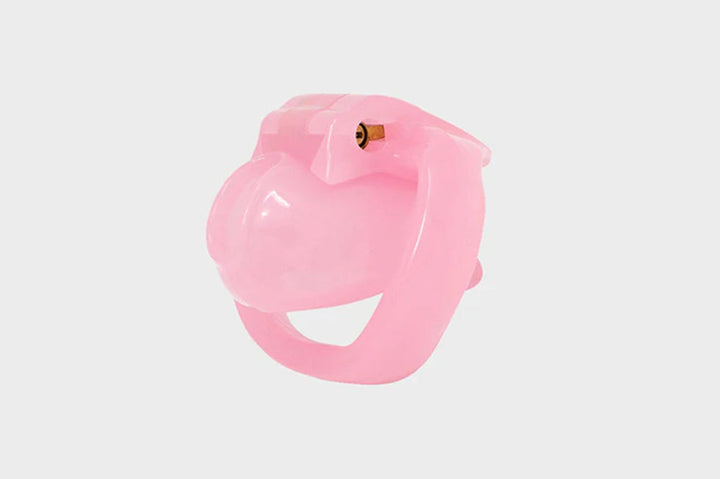
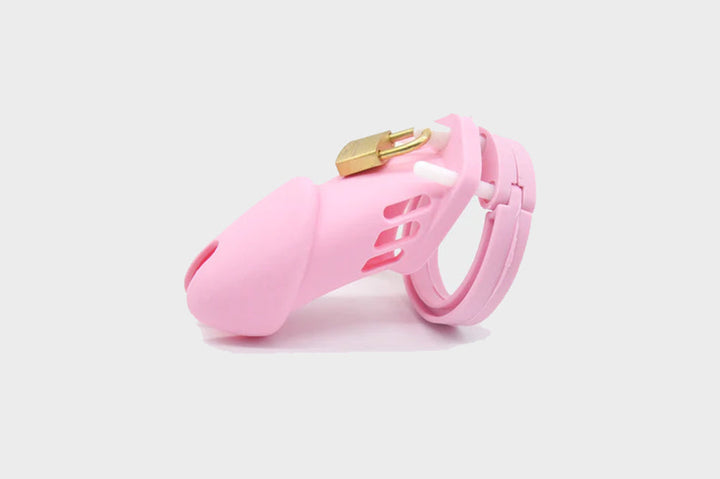
- Device choice. Fit and security matter more in solo practice, since no one else is adjusting or checking comfort. Start with an accurate measurement for a chastity cage, then weigh up which chastity cage material will actually be comfortable for daily wear.
- Community accountability. Checking in with a trusted community like Lockd, whether a forum thread or a private group, adds a layer of external eyes even without a named keyholder.
Setting Rules and Rituals That Stick
Vague intentions ("I'll just try to keep it locked for a while") collapse fast. Specific, written rules hold up better:
- A defined minimum lock duration before you consider unlocking
- A fixed check-in time each day, even two minutes of journaling
- A written consequence for breaking your own rule, decided in advance
Ritual matters too. Locking up at the same time each day turns the practice into a habit rather than a decision you keep remaking. If you're building toward a longer stretch, this guide on why people fail Locktober covers the most common reasons self-set goals fall apart, and most apply to solo practice year-round.
Back to top ↑Handling Urges and Setbacks
Urges are normal and don't mean the practice isn't working. What matters is having a plan before the urge shows up, not while you're in the middle of it: a short delay rule, redirecting yourself with a specific activity, or journaling through it.
Setbacks happen too. Unlocking early once doesn't erase the practice. What matters is being honest about it in your tracking or journal instead of quietly resetting the rules. The goal is a sustainable practice, not a perfect record.
Back to top ↑When You Might Want a Trusted Keyholder Later
Solo chastity isn't necessarily permanent. Some people use it to build confidence and set their own rules before handing control to someone else. If you reach that point, it's worth understanding the psychology of chastity for couples first, since the dynamic changes once someone else holds the key. The rules, rituals, and self-knowledge you built on your own become a solid foundation for that conversation.
Plenty of people practice solo indefinitely and find it works exactly as intended.
Back to top ↑Ready to Start Your Solo Practice?
A solid solo chastity practice starts with the right device. Lockd's range is built for comfortable, secure, day-to-day wear, whether you're locking up for a few hours or committing to a longer stretch.
Not sure where to start? Check out our guide to measuring for a chastity cage first to make sure you get the right fit before you buy.
Frequently Asked Questions
Is solo chastity as effective as having a keyholder?
It can be if you replace a keyholder's accountability with your own system of rules, tracking, and honest check-ins.
How long should a beginner stay locked in solo chastity?
Most beginners in Lockd start with a few hours to a full day and then build up gradually based on comfort and device fit rather than a fixed rule.
Can you switch from solo chastity to having a keyholder later?
Yes. Many people in the Lockd community use solo practice to build confidence and set their own rules first, then bring in a keyholder once they're ready.
What's the biggest mistake people make in solo chastity?
Skipping written rules and relying on willpower alone. Without something specific and recorded, self-set limits tend to bend the moment an urge shows up.
Do you need a special device for solo chastity?
Not a special device, but fit and security matter more since no one else is checking comfort. A secure, well-fitted design makes daily wear easier to sustain.

About the Author — Shoana Miller, Lockd Editorial Team
Shoana Miller is a certified sex educator and BDSM lifestyle coach with over 10 years of experience in sexual wellness and intimate product reviews. Holding a Master's in Human Sexuality, she has contributed to leading publications on chastity play, power dynamics, and relationship enhancement. Follow her on LinkedIn.