Chastity Play 101: Explore Every Kink, From Soft Denial to Total Control
TL;DR
Chastity play means voluntarily handing over control of your own sexual release, usually with a device and always with consent. It ranges from soft, occasional teasing to long-term keyholder dynamics. This is Lockd's beginner hub: it explains the styles, points you to the right guide for each step, and gets you from curious to comfortably locked without the guesswork.
Chastity is not the same for everyone. Whether you are curious or well-versed in denial, there is a style that fits. At Lockd we have helped more than 25,000 customers find theirs, and every version of this looks a little different.
This page is the starting point. It covers what chastity play is, the main styles people practise, and where to go next for each part of it.
Back to top ↑What Chastity Play Actually Is
Chastity play is the voluntary restriction of sexual release, usually using a device worn over the penis and held on by a ring behind the testicles. One partner, the wearer, gives up the ability to orgasm. Another, the keyholder, decides when that changes. Some people practise it solo with a timed lockbox instead of a partner.
It is also called orgasm denial, and it sits within BDSM and dominant/submissive dynamics, though plenty of couples do it with no power exchange at all. The device is physical. What people usually find compelling is what it does to attention, anticipation and communication.
If you want the object explained rather than the practice, start with what is a chastity cage. If the terminology is the barrier, the chastity glossary covers it without assuming anything.
Back to top ↑Start Here: The Beginner Path
If you are new, do these in order. Each step links to the full guide for that part.
- Understand what you are getting into. Read what a chastity cage is and the benefits couples report, so you know why you want this.
- Talk to your partner, if there is one. Our guide on introducing chastity to a partner covers the conversation, their likely objections, and what to do if they say no.
- Measure properly. This is the step people skip and regret. Use the measuring guide and the ring size guide. The ring decides comfort more than anything else.
- Choose a cage. Material, length and design all matter. How to choose a chastity cage walks through the four decisions, and the material comparison covers steel, silicone and resin.
- Put it on. Harder than it looks the first time. How to put on a chastity cage includes the stocking method and what to do when the ring will not go on.
- Build a cleaning routine before you need one. Cleaning and maintenance, by material, plus what never to use.
- Plan the ending too. Chastity aftercare covers the skin check, sensitivity, emotional drop and when to see a doctor. Most beginners never think about this until they need it.
Types of Chastity Play
Not all chastity play is the same. Some prefer playful teasing, others extended denial. These are the main styles.
Soft and Sensual
- Casual locking: wearing a device for the feeling of it, with no strict rules attached.
- Tease and deny lite: edging and occasional release allowed, but someone else holds the key.
- Permission to touch: you cannot touch yourself without approval, so even a stroke becomes something granted.
Best for: beginners, couples testing submission, and partners easing into dominance.
Time-Based
- Daily sessions: locked during specific hours, such as the working day.
- Weekend lockdowns: locked Friday night through Monday morning.
- Long-term denial: weeks or months, unless the keyholder decides otherwise.
Best for: couples who want clear structure, long-distance relationships, and anyone who enjoys the discipline of a schedule.
Control-Based
- Keyholder control: one person decides when you lock, unlock, and how much teasing is allowed.
- Edging rules: teased to the brink, then told to stop, repeatedly.
- Task-for-release: unlock time earned through obedience, chores or agreed tasks.
The core of it: obedience, trust, and a great deal of deliberate frustration.
Mental and Psychological
- No-touch contracts: no cage at all, just rules you have agreed to keep.
- Mind games: misdirection, moving goalposts and manufactured uncertainty, all within limits both of you set in advance.
- Virtual keyholding: long-distance control through messages, apps or scheduled check-ins.
Best for: remote dynamics, and anyone who finds the headspace more compelling than the hardware.
Advanced and Fetish-Specific
- Permanent lock fantasies: the idea that the key is gone for good. Treated as a fantasy rather than a practice, since indefinite wear without inspection is genuinely unsafe.
- Ruined orgasms: release that is deliberately interrupted or made unsatisfying.
- Financial domination: chastity combined with findom, where release depends on tribute.
- Training-based play: chastity as part of a wider identity or transformation dynamic.
Quick Comparison Table
A shortcut for finding the style that fits your situation.
| Style | What it involves | Best for |
|---|---|---|
| Soft and sensual | Light denial, playful rules | Beginners and curious couples |
| Time-based | Locked by hours, days or months | Long-distance, and people who like structure |
| Control-based | Obedience, edging, earned release | Power exchange dynamics |
| Mental and psychological | Rules and headspace, often no device | Remote partners |
| Advanced and fetish-specific | Ruined orgasms, findom, training play | Experienced players with established limits |
There is no correct way to do chastity. Your limits matter, and how you define pleasure or its absence is yours to decide.
Back to top ↑Types of Chastity Device
Devices fall into a few broad categories, each suited to different dynamics.
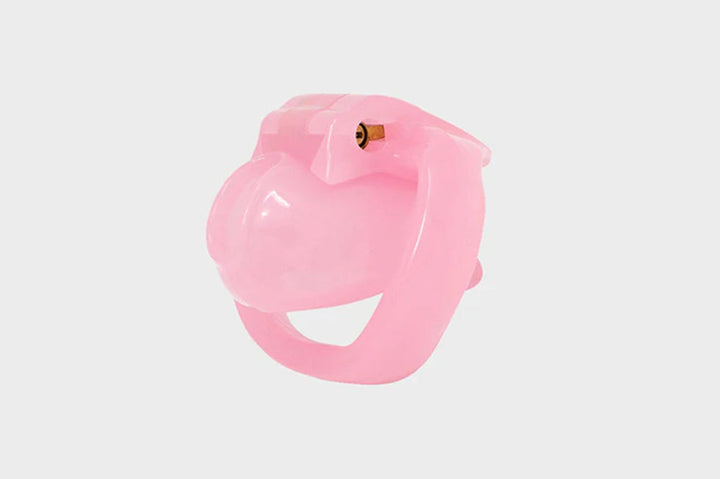
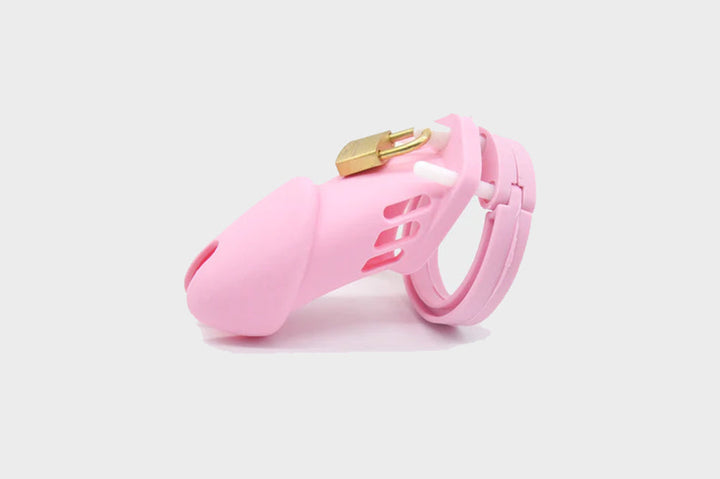
- Chastity cages enclose the penis to prevent erection and stimulation. Made from steel, silicone or resin, secured by a base ring and lock. This is what most people mean by chastity.
- Chastity belts cover front and rear access with a waist band and straps. Fuller denial, considerably less discreet.
- Long-term designs use tamper-evident or sealed locking for extended wear, and need careful sizing and a serious hygiene routine.
- Hybrid devices combine chastity with other elements such as urethral inserts or electrostimulation.
Each works by physically preventing access while reinforcing the psychological side of the arrangement. Which one suits you depends mostly on how long you plan to wear it and how much you value security over comfort. Our guide on choosing a chastity cage covers that decision properly, and short-term vs long-term wear covers how the choice changes with duration.
Back to top ↑Safety Essentials
The short version. Each point links to the guide that covers it fully.
- Get the ring size right. It is the single biggest factor in whether chastity is comfortable or miserable. See the ring size guide.
- Start short. A few hours, then overnight, then longer. Do not begin with a week.
- Clean daily. Cage and skin, in the shower, without removing it. Full removal and deep clean weekly.
- Keep a spare key accessible. This is a safety measure, not a loophole.
- Remove immediately for numbness, colour change, swelling, or any break in the skin.
- Agree limits and a stop signal before you start, not during.
- Plan aftercare. Both partners, every time.
If you have circulation problems, skin conditions, recurrent urinary infections or any relevant medical history, speak to a doctor before extended wear.
Back to top ↑The Complete Guide Library
Every Lockd guide, grouped by what you are trying to do.
Getting started
- What is a chastity cage?
- Chastity glossary
- Trust-building benefits of chastity play
- How to introduce chastity to your partner
Sizing and choosing
- How to measure for a chastity cage
- Ring size guide
- How to choose the perfect chastity cage
- Steel vs silicone vs resin
Wearing and caring
- How to put on a chastity cage
- Cleaning and maintenance
- Short-term vs long-term wear
- Chastity aftercare
Dynamics and community
- The keyholder guide
- Locktober: rules, ideas and prep
- Locktober hygiene and safety
- Long-term chastity readiness quiz
Frequently Asked Questions
Chastity play is the voluntary restriction of sexual release, usually using a device worn over the penis and secured by a ring behind the testicles. The wearer gives up the ability to orgasm, and a keyholder decides when that changes. It is also called orgasm denial, and it can be practised solo using a timed lockbox instead of a partner.
Measure properly before buying anything, choose a lightweight silicone or resin cage rather than steel, and start with sessions of a few hours before building to overnight. Agree clear rules and a stop signal with your partner, keep a spare key accessible, and check in physically and emotionally after each session.
Beginners should start with one to three hours and build gradually to overnight wear. With experience and a correctly fitted device, some people wear a cage for days or weeks continuously. What makes extended wear safe is correct sizing, daily cleaning and regular skin inspection, not endurance. Remove immediately for numbness, discolouration, swelling or broken skin.
Yes. Many people practise mental or psychological chastity using agreed rules, contracts or remote check-ins rather than a physical cage. The focus is on obedience, power exchange and denial rather than restraint, which makes it well suited to long-distance dynamics.
For most healthy adults it is safe when practised with correct sizing, good hygiene and honest communication. Anyone with circulation problems, recurrent urinary tract infections, skin conditions or relevant medical history should speak to a doctor before extended wear.
Choose a relaxed moment, lead with why it appeals to you rather than with the device, and frame it as sharing a fantasy rather than making a request. Expect questions, answer them honestly, and accept the answer you get. Our full guide covers the conversation, their likely objections, and what to do if they say no.
A cage fits over the penis only, held on by a base ring behind the testicles. A belt adds a waist band and crotch strap covering both front and rear access, offering fuller denial but far less discretion under clothing.
Ready to Start?
Find the style that fits, then find the cage that fits.
- Beginner chastity cages in lightweight, body-safe materials.
- Silicone cages for the most forgiving first fit.
- Steel cages for maximum security once you know your size.
- Accessories and spare parts, including extra rings and spacers.