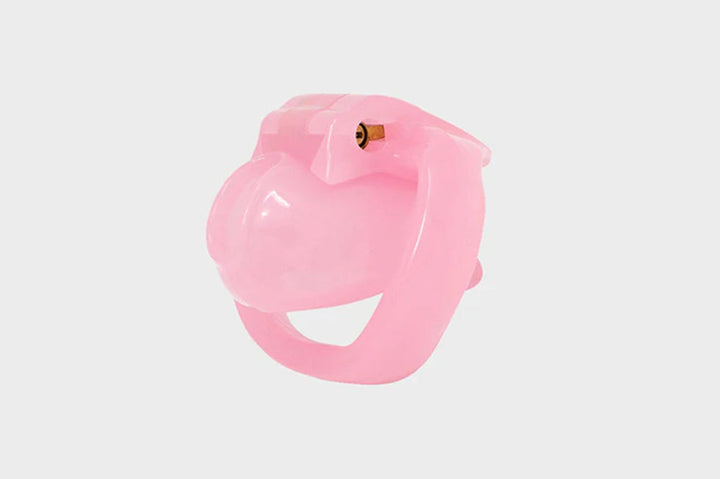
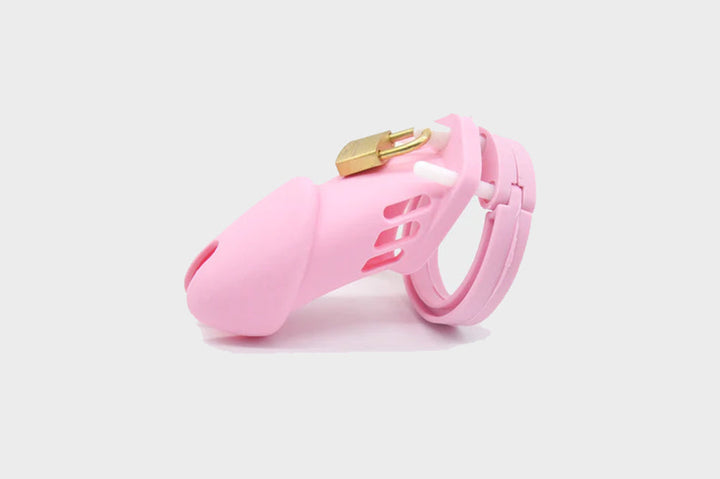
Locktober Hygiene & Safety Tips: Staying Fresh, Safe, and Comfortable All Month
TL;DR
Locktober can be an empowering experience, but long-term chastity wear requires smart hygiene and safety practices. At Lockd, we recommend daily cleaning with mild soap, proper device fit, and regular check-ins to help prevent skin irritation, infections, and circulation risks. Remove the device periodically, inspect for redness or discomfort, and always use breathable, body-safe materials.
Remember: safe chastity is sustainable chastity.
Introduction: Why Hygiene & Safety Matter in Locktober
Every October, the chastity community locks up for one of the most talked-about challenges in kink: Locktober. At Lockd, we love this time of year, but we also know there's one thing that doesn't get talked about enough, even on social media: hygiene and safety.
Locktober is a month-long challenge where participants commit to staying locked in their male chastity device for all 31 days of October. It's as much about mental discipline as physical endurance. But wearing a cage for extended periods comes with real responsibilities — your skin, health, and comfort all depend on how well you care for yourself and your device.
Dan, a friend from our community, learned this the hard way. He was so determined to make it through his first Locktober that he skipped his cleaning routine. By week two, a rash forced him to quit. The lesson? Success in Locktober isn't just about endurance — it's about doing it safely.
In this guide, the Lockd team shares the essential hygiene and safety tips you need to enjoy all 31 days without unnecessary risks.
Understanding the Risks of Extended Wear
Long-term wear of a chastity cage is safe for most people when done responsibly — but ignoring hygiene or safety can lead to real problems. Common risks include:
- Skin irritation or rashes from sweat, friction, or trapped bacteria
- Pressure sores if the cage is too tight or worn too long without adjustment
- Infections due to poor cleaning or moisture buildup
- Circulation issues if the device doesn't fit properly — size matters
The good news? With the right habits, most of these risks can be avoided.
Risks of Long-Term Chastity Device Wear
| Risk Factor | What You Need to Know | Recommended Action |
|---|---|---|
| Skin irritation & chafing | Friction, trapped moisture, or seams can lead to redness or breakdown of skin and may cause bacterial infection. | Remove the device for cleaning, apply barrier creams (e.g., Sudocrem), dry thoroughly. |
| Pressure sores & ulcers | Continuous pressure on genital tissues can cause painful sores, especially with tight or ill-fitting cages. | Ensure proper fit; use breathable designs and take regular breaks. |
| Circulation issues | Tight or poorly designed devices can restrict blood flow, risking numbness - or worse, tissue damage. | Monitor for color change or numbness; remove the device immediately if noticed. |
| Infections & UTIs | Excess moisture and difficulty cleaning can create bacterial growth, leading to urinary tract infections. | Prioritize hygiene with daily cleaning and full drying. |
| Chemical exposure risks | BPA from polycarbonate plastics may disrupt hormones and lead to potential health effects. | Opt for BPA-free ABS, stainless steel, or medical-grade materials. |
Common Risks of Long-Term Chastity Wear and Why They Matter
Hygiene Tips for a Fresh and Healthy Locktober
-
Clean Your Cage Daily
Even if your chastity device is marketed as “long-term wear,” Lockd couldn't emphasize more that cleaning is non-negotiable. A simple daily rinse with warm water, followed by gentle washing with mild, unscented soap, can go a long way.Pro Tip: Always dry both your chastity device and skin thoroughly. Moisture is a playground for bacteria. -
Choose Safe, Body-Friendly Materials
Not all chastity devices are created equal. Stainless steel cages and medical-grade plastic are generally safe bets. Avoid low-quality metals or cheap plastics, as they can cause allergic reactions or break unexpectedly.
Community favorite brands like Holy Trainer and modular 3D-printed options have been praised for balancing comfort with safety. Not sure which material suits you? Our Steel vs Silicone vs Resin guide breaks it all down. -
Pay Attention to Personal Hygiene
Your body needs as much care as the device itself. Wash your genitals carefully, even when locked. Some of our loyal customers have reported that they use handheld showerhead to rinse hard-to-reach areas. Also, swap out tight, synthetic underwear for breathable cotton. Many participants have confirmed that this reduces sweat and irritation, especially during warmer days. -
Don’t Skip Skin Checks
Take the chastity cage off periodically - even if your Locktober “rules” feel strict - to inspect your skin. Redness, sores, or swelling are early warning signs. We always want you to always listen to your body. Safety always comes first.
Safety Tips for a Comfortable Locktober
-
Start Slow, Build Up
If it’s your first Locktober, don’t dive into a chastity cage 24/7, wearing a chastity cage from day one. Device wearers should start with shorter durations and gradually increase. Think of it as training your body to adapt.
One of our real-world feedback shared with us that his first Locktober attempt failed within a week because he rushed in. The next year, he trained in September by wearing his cage for increasing hours each day - and he made it through all 31 days. -
Keep a Spare Key Handy
Always have a safety/emergency protocol. Talk with your partner. Keep your key sealed in an envelope; others entrust it to a partner. Accidents happen - swelling, allergic reactions, or unexpected medical needs - and quick access can prevent serious harm. -
Prioritize Fit and Comfort
Your chastity device should be snug but not painfully tight. If you're unsure about sizing, our Chastity Cage Sizing Guide walks you through every measurement. Remember: Locktober is a month, not a sprint.
-
Watch Out for Warning Signs
Pain, numbness, swelling, discoloration - these are red flags in the blood supply. If you notice any, remove the cage immediately. Locktober is about discipline and fun, not putting your health at risk.
After Locktober: Caring for Yourself
When November 1st arrives, you might feel a mix of relief and accomplishment. Don’t just unlock and forget - take care of your body.
- Give your skin a break.
- Moisturize with a gentle, fragrance-free lotion.
- Check for any lingering irritation or sores.
- Reflect on what worked well and what didn’t.
Many people use the end of Locktober as a time to re-evaluate their cage fit, cleaning routine, and overall experience.
Locktober Safety & Hygiene Questions Answered
How do I prevent infections while wearing chastity cage during Locktober?
The key to infection prevention is a combination of daily cleaning, breathable materials, and moisture control. We recommend using ventilated chastity cages made from body-safe materials like stainless steel or medical-grade resin to reduce trapped sweat and bacteria. Sweat and trapped fluids can lead to bacterial growth, so dry thoroughly after showers.
What signs should I look out for that mean I should take off my chastity device?
CC Co. standards recommend to stop immediately if you notice:
- Numbness or tingling in the penis or testicles
- Swelling or discoloration (purple, blue, or red skin)
- Persistent pain or burning sensations
- Cuts, sores, or unusual discharge
“Removing your device daily is advised to clean the penis and the device. If there’s irritation, redness, or other issues with the skin, it’s essential to remove the device and allow the skin to heal.”
—George Forgan-Smith
👉 Ignoring these signs can lead to serious injury. Listen to your body—safe chastity is sustainable chastity.
Is Locktober safe for beginners?
Loctober is absolutely safe for beginners. But beginners should approach Locktober with flexibility. Instead of locking for 30 days straight, start with shorter intervals and build up comfort and tolerance. Think of it like training—both your body and mind need time to adjust.
Which chastity devices are best for safe long-term wear?
Our team have determined that you should look for:
- Smooth edges without burrs or seams
- Ventilation holes or open-bar designs for cleaning
- Medical-grade stainless steel or body-safe silicone
- Proper fit—not too tight, not too loose
👉 Explore CC Co's range of safe chastity cages designed for comfort, hygiene, and security.
How do I ensure comfort and safety with an FTM chastity cage?
Choose a cage designed for your anatomy—look for soft edges, adjustable rings, and breathable materials. Clean daily, dry thoroughly, and monitor for skin irritation. CC Co recommends resin or silicone-based cages with open designs to support hygiene and airflow.
Are there safety tips for using chastity or sounding devices?
Yes. Our experts recommend to always sterilize sounding tools before use, and never force insertion. For chastity cages, prioritize breathable designs and remove the device if you notice redness or discomfort. CC Co’s ventilated cages and hygiene guides support safe, long-term wear.
Are permalock chastity devices safe for long-term wear?
Permalock cages can be safe if properly sized and cleaned regularly. However, they limit access for hygiene and inspection. We recommend using permalock only under supervision or with scheduled removal to prevent skin issues and bacterial buildup.
Final Thoughts
The key to making it through Locktober, and actually enjoying it, is staying mindful of hygiene and safety every step of the way.
At Lockd, we believe that the right tools, knowledge, and habits can turn Locktober into not just a challenge but a celebration of trust and connection.
Whether you’re unlocking for the first time on November 1st or proudly joining the social media community year after year, or if you prefer the No Nut November challenge, your health and safety should always come first.
So clean often, stay safe, and lock on. Here's to a healthy and unforgettable Locktober. 🔒